- Free Consultation: (907) 277-3090 Tap Here to Call Us








Alaska Drowsy Driving Prevention


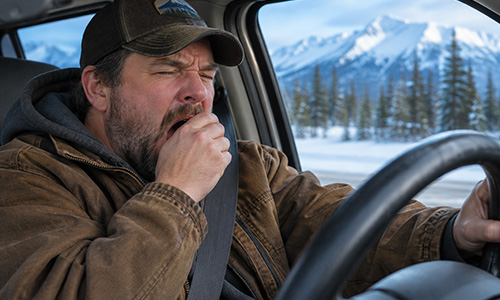
Alaska Drowsy Driving Prevention: Learn how to recognize drowsy driving warning signs, prevent driver fatigue, and stay safe on Alaska roads with these practical driving tips.
Recognize the Warning Signs and Stay Safe on the Road
Drowsy driving is a serious traffic safety risk that can lead to preventable crashes, injuries, and deaths. Driving without adequate sleep slows reaction time, reduces awareness, and makes it harder to recognize and respond to roadway hazards. Even a moment of falling asleep behind the wheel can have devastating consequences.
The National Sleep Foundation (NSF) recognizes November 1–7, 2026, as Drowsy Driving Prevention Week. This annual campaign encourages drivers to prioritize sleep and avoid getting behind the wheel when they are tired. Its message is simple: Sleep First. Drive Alert.
According to the National Sleep Foundation, an estimated 6,400 people die annually in the United States in crashes involving drowsy driving. The National Highway Traffic Safety Administration (NHTSA) separately reports 644 deaths in police-reported drowsy-driving crashes in 2024. These figures use different methods of identifying fatigue-related crashes, and both highlight the importance of prevention.
Why Is Drowsy Driving Dangerous?
Drowsy driving occurs when someone operates a vehicle without enough sleep to remain alert and attentive. Sleep deprivation affects many of the same driving abilities impaired by alcohol, including reaction time, judgment, coordination, and awareness of surrounding traffic.
Drivers who are extremely tired may also experience microsleeps. These are brief, involuntary periods of sleep that can last several seconds. At highway speeds, a vehicle can travel a considerable distance during a microsleep without the driver realizing what is happening.
Drowsy driving crashes frequently occur between midnight and 6 a.m. or during the late afternoon, when the body’s natural sleep cycle makes people more likely to feel tired. Rural roads and highways are also common locations for these crashes.
Young drivers, particularly those between 16 and 25, shift workers, and people who regularly get insufficient sleep face increased risks. However, drowsy driving can affect anyone.
Why Driver Fatigue Is a Concern on Alaska Roads
Alaska presents unique driving challenges that make staying alert especially important. Long distances between communities, rural highways, changing weather, and extended periods behind the wheel can contribute to driver fatigue.
Alaska’s long summer daylight hours can also make it difficult for drivers to recognize when they need rest. The Alaska Department of Transportation and Public Facilities identifies drowsy driving as a roadway safety concern, particularly during long Alaskan summers when extended daylight may cause drivers to underestimate their fatigue.
During fall and winter, darkness, snow, ice, and reduced visibility demand additional attention. A tired driver may have difficulty responding quickly to changing road conditions, slowing traffic, wildlife, or unexpected hazards.
Fall driving in Alaska brings additional challenges, including shorter daylight hours, changing weather, and reduced visibility. Learn how to prepare for these seasonal hazards in our guide to Alaska Fall Driving Safety.
Winter driving in Alaska requires extra attention as snow, ice, darkness, and changing road conditions make it harder to react to hazards. Learn how to prepare for these challenges in our guide to Alaska Winter Driving Hazards.
Whether traveling between Anchorage and Fairbanks, driving the Parks Highway, or making a long trip through rural Alaska, drivers should plan for adequate rest and avoid pushing through fatigue.
Warning Signs You’re Too Tired to Drive
Recognizing the warning signs of drowsy driving can help prevent a serious crash. Do not wait until you begin falling asleep to take action.
Common warning signs include:
- Difficulty concentrating or keeping your eyes focused on the road.
- Frequent yawning, blinking, or rubbing your eyes.
- Heavy eyelids or difficulty keeping your head up.
- Daydreaming or having trouble remembering the last few miles.
- Missing road signs, exits, or turns.
- Drifting out of your lane or hitting rumble strips.
- Following other vehicles too closely because of delayed reactions.
- Feeling restless, irritable, or increasingly impatient.
If you experience any of these warning signs, stop driving as soon as you can do so safely. Opening a window, turning up the radio, or increasing the heat or air conditioning will not eliminate fatigue.
How to Prevent Drowsy Driving Before a Trip
Planning ahead is one of the best ways to prevent fatigue-related crashes. Before getting behind the wheel:
- Get enough sleep. Most adults need at least seven hours of sleep each night. Avoid starting a long trip when you are already tired.
- Plan your route and rest stops. Schedule breaks during long drives and allow enough time to reach your destination without rushing.
- Share driving responsibilities. If another qualified, well-rested driver is available, take turns driving.
- Avoid alcohol. Alcohol increases the effects of fatigue and further impairs driving ability.
- Check medication warnings. Some prescription and over-the-counter medications cause drowsiness or affect alertness. Read the labels and consult a healthcare professional if you are unsure about their effects.
- Avoid driving during peak sleepiness periods. When possible, schedule travel outside the hours between midnight and 6 a.m. and the late-afternoon fatigue period.
What Should You Do If You Become Drowsy While Driving?
If you notice signs of fatigue while driving, do not try to push through them. Take immediate steps to protect yourself and everyone else on the road.
- Stop driving. Find a safe, designated rest area or parking location. Do not stop on the shoulder of a highway unless it is necessary to avoid an immediate danger.
- Take a nap. Rest in a safe location before continuing your trip. A short nap can temporarily improve alertness.
- Use caffeine cautiously. Coffee or another caffeinated beverage may provide a temporary boost, but it does not replace adequate sleep. If you are seriously sleep-deprived, caffeine alone will not make driving safe.
- Switch drivers when possible. If another alert, qualified driver is available, let that person take over while you rest.
Remember, getting to your destination safely is more important than arriving on time. If you are too tired to drive, wait until you are rested.
Help Prevent Drowsy Driving in Alaska
Everyone has a responsibility to make safe decisions behind the wheel. Drowsy driving is preventable, but it requires drivers to recognize their limitations and take fatigue seriously.
During Drowsy Driving Prevention Week and throughout the year, make sleep a priority before traveling. Give yourself enough time to rest, plan breaks, and recognize when it is no longer safe to continue driving.
Driver fatigue can contribute to serious motor vehicle crashes, leaving drivers and passengers with life-changing injuries. Learn more about common causes of collisions and what to do after a crash in our guide to Avoiding an Alaska car accident.
At Johnson Law, we understand how devastating motor vehicle crashes can be for injured Alaskans and their families. We encourage everyone to make responsible driving decisions and help keep Alaska’s roadways safer.
If you or someone you love has been injured in an Alaska car accident, Johnson Law is here to help you understand your legal options. Please call us at (907)277-3090 or use our online contact form.
Johnson Law has been helping Alaskans for nearly 30 years. It’s who we are. And while we hope you never need us… We’re here if you do. ~ Doug Johnson
Disclaimer: This article series provides general educational information for a safer fall and winter in Alaska. However, it is not legal advice and does not create an attorney-client relationship. Because every case is unique, consult a qualified Alaska personal injury attorney about your specific circumstances.
Image generated and modified using ChatGPT – Prompt: An Alaskan driver fighting fatigue behind the wheel.
Information Sources: The National Sleep Foundation; National Highway Traffic Safety Administration; Alaska Highway Safety Improvement Program