- Free Consultation: (907) 277-3090 Tap Here to Call Us





Alaska Homeowners Insurance


Coverage Every Homeowner Should Understand
Alaska Homeowners Insurance – Owning a home in Alaska comes with unique rewards – and unique risks. From severe winter weather and earthquakes to icy walkways and remote properties, Alaska homeowners face challenges that homeowners in many other states rarely encounter. An Alaska homeowners insurance policy is one of the most important financial protections you can have. It can help repair or rebuild your home after a covered loss, replace damaged personal property, provide temporary living expenses, and protect you if someone is injured because of your negligence.
Many homeowners purchase insurance because their mortgage lender requires it. However, understanding what your homeowners insurance actually covers – and what it does not – is just as important as having the policy itself. Reviewing your coverage before an accident occurs can help protect your home, your family, and your financial future.
If someone is seriously injured on your property or you are injured because of unsafe conditions at another person’s home, Alaska homeowners insurance often plays a significant role in the resulting insurance claim.
What Is Homeowners Insurance?
Homeowners insurance is a package policy that combines several different types of protection into one contract. Depending on the policy you purchase and any endorsements you add, homeowners insurance may provide coverage for:
- Your home’s structure
- Detached buildings, such as garages, sheds, shops, and barns
- Personal belongings
- Additional living expenses if your home becomes temporarily uninhabitable after a covered loss
- Personal liability
- Medical payments to others
Every policy contains exclusions, deductibles, coverage limits, and conditions. Because no two policies are identical, Alaska homeowners should review their insurance coverage regularly and ask questions if they do not understand their policy.
Types of Alaska Homeowners Insurance Policies
The type of homeowners insurance policy you purchase determines how broadly your home and personal property are protected.
HO-2 Policy
An Alaska HO-2 Policy (also known as a Broad Form Policy or Named Perils Policy) is a type of homeowners insurance that only covers damage from specific events named in the policy. If an event is not listed, the damage is not covered. It provides basic to moderate protection for homeowners.
An HO-2 policy provides coverage only for the specific causes of loss identified in the policy. These “named perils” commonly include:
- Fire and smoke
- Lightning
- Windstorms
- Hail
- Theft
- Explosion
- Vandalism
- Damage caused by vehicles or aircraft
If a loss results from a cause not specifically listed in the policy, coverage generally does not apply.
HO-3 Policy
An Alaska HO-3 Policy (also called a Special Form Policy) is the most common type of homeowners insurance for single-family houses. It covers your home against almost all risks except those specifically listed as excluded, but it only covers your personal items against a specific list of named disasters (like fire or theft).
Under most HO-3 policies, the home’s structure is insured on an open-perils basis, meaning the dwelling is generally covered unless the cause of loss is specifically excluded. Personal property, however, is typically insured only against the named perils listed in the policy unless broader coverage is purchased.
Common exclusions may include:
- Flooding
- Earth movement, including earthquakes
- Wear and tear
- Neglect
- Certain types of water damage
- Intentional acts
The HO-3 policy is the most common homeowners insurance policy in Alaska and throughout the United States.
HO-5 Policy
An HO-5 policy (or Comprehensive Coverage Policy) is the most comprehensive, top-tier Alaska homeowners insurance available. Also called a comprehensive form, it provides maximum protection by covering both your home’s structure and your personal belongings against almost any risk, unless the policy specifically lists it as an exclusion.
Both the dwelling and personal property are typically insured on an open-perils basis, meaning losses are generally covered unless specifically excluded by the policy. HO-5 policies are often available only for homes that meet certain underwriting requirements.
An HO-5 policy generally provides the broadest homeowners insurance protection available. Although they generally cost more, HO-5 policies may provide broader protection and fewer coverage gaps than standard policies.
What Does Alaska Homeowners Insurance Usually Cover?
While every policy is different, most homeowners insurance policies include several core categories of protection.
Dwelling Coverage
Dwelling coverage helps pay to repair or rebuild your home after a covered loss. Coverage generally includes:
- The main residence
- Attached garages
- Roofing
- Walls
- Flooring
- Plumbing
- Electrical systems
- Permanently installed fixtures
Your dwelling limit should reflect the estimated cost to rebuild your home – not simply its market value.
Other Structures Coverage
Most policies also provide limited coverage for detached structures on your property, including:
- Detached garages
- Storage buildings
- Workshops
- Barns
- Fences
Coverage limits are often calculated as a percentage of the dwelling coverage.
Personal Property Coverage
Personal property insurance helps replace belongings damaged or destroyed by a covered event. Covered items may include:
- Furniture
- Clothing
- Electronics
- Appliances
- Tools
- Sporting equipment
Certain high-value property – such as jewelry, artwork, firearms, collectibles, or expensive electronics – may require additional coverage beyond the limits included in a standard policy.
Additional Living Expenses
If a covered loss makes your home temporarily uninhabitable, your homeowners insurance may pay reasonable additional living expenses for loss of your home’s use while repairs are completed. Covered expenses may include:
- Hotel accommodations
- Temporary rental housing
- Restaurant meals
- Laundry expenses
- Additional transportation costs
Alaska Risks That May Require Additional Coverage
Many Alaska homeowners are surprised to learn that several common risks are not covered under a standard homeowners insurance policy.
Earthquake Damage
Alaska experiences more earthquakes than any other state. However, standard homeowners insurance policies generally do not cover earthquake damage. Homeowners who want protection for potential earthquake losses should start by contacting their homeowners insurance company to see if earthquake coverage is available as an endorsement to an existing policy.
If your insurer does not offer earthquake coverage, an independent Alaska insurance agent or broker can help you compare standalone earthquake insurance policies from other carriers. Because standard homeowners insurance policies generally do not cover earthquake damage, reviewing your coverage options before an earthquake occurs is an important step in protecting your home and financial security.
Flood Damage
Standard homeowners insurance generally does not cover flooding. Flooding may result from:
- Spring breakup
- Heavy rainfall
- River overflow
- Coastal storm surge
- Glacial outburst flooding
Depending on your property’s location, separate flood insurance may be available through the National Flood Insurance Program (NFIP) or private insurers.
Frozen Pipes and Water Damage
Alaska winters create unique risks for frozen plumbing. Whether damage from frozen or burst pipes is covered often depends on the specific policy language and whether reasonable steps were taken to maintain heat or protect the property.
Seasonal and Remote Properties
Many Alaskans own cabins or seasonal homes that remain vacant for extended periods. Some insurance policies contain limitations or exclusions for vacant or unoccupied properties, making it important to understand how your policy applies before leaving a property unattended for long periods.
Understanding Homeowners Liability Insurance
Personal liability coverage is one of the most valuable parts of a homeowners insurance policy.
If you are legally responsible for causing someone else’s injuries or property damage, your homeowners insurance may provide financial protection, subject to the terms and limits of the policy. Depending on the circumstances, liability coverage may help pay for:
- Medical expenses
- Lost wages
- Pain and suffering
- Property damage
- Legal defense costs
- Settlements or judgments
Liability claims commonly arise from situations such as:
- Slip-and-fall accidents
- Snow- or ice-covered walkways
- Unsafe stairs or decks
- Falling tree limbs
- Dog bites
- Carbon monoxide exposure
- Falling objects
Whether a homeowner is legally responsible depends on the specific facts of the incident. Simply because someone is injured on residential property does not automatically mean the homeowner is legally liable.
Medical Payments Coverage
Most Alaska homeowners insurance policies also include Medical Payments to Others coverage.
Unlike liability insurance, Medical Payments coverage may pay limited medical expenses for an injured guest regardless of who was at fault. This coverage is intended to resolve relatively minor injury claims quickly and may help avoid more significant disputes.
Coverage limits are generally modest and vary by policy.
What Homeowners Insurance Usually Does Not Cover
Many homeowners assume every type of damage is automatically covered. Unfortunately, that is not always true.
Standard Alaska homeowners insurance policies commonly exclude or limit coverage for:
- Flood damage
- Earthquakes
- Landslides or earth movement
- Normal wear and tear
- Long-term water leaks
- Mold resulting from maintenance issues
- Sewer backups (unless additional coverage is purchased)
- Intentional damage
Reviewing your policy before a loss occurs can help identify coverage gaps and determine whether additional insurance is appropriate for your situation.
When Should You Contact a Personal Injury Attorney?
Insurance companies often investigate serious injury claims thoroughly before deciding whether liability coverage applies or whether compensation should be paid.
If you suffer significant injuries on someone else’s property – or if an insurance company disputes liability or the value of your claim – an experienced Alaska personal injury attorney can evaluate the circumstances, explain your legal rights, and help determine what insurance coverage may be available.
Likewise, if someone is seriously injured on your property and a claim is made against you, promptly notify your Alaska homeowners insurance company and consider seeking legal advice regarding your rights and responsibilities.
Frequently Asked Questions
Does Alaska homeowners insurance cover dog bites in Alaska?
Many homeowners insurance policies provide liability coverage for dog bite claims. However, coverage depends on the policy language, any applicable exclusions, and the facts surrounding the incident.
Does homeowners insurance cover earthquakes in Alaska?
Generally, no. Standard homeowners insurance policies usually exclude earthquake damage. Separate earthquake coverage may be available.
Does Alaska homeowners insurance cover flooding?
Generally, no. Flood insurance is usually purchased separately.
Does homeowners insurance cover injuries to guests?
Many homeowners policies include both personal liability coverage and Medical Payments to Others coverage. Whether coverage applies depends on the circumstances and the policy’s terms.
The Bottom Line
Homeowners insurance protects much more than your house. It can help safeguard your financial future, provide important liability protection, and offer peace of mind when unexpected accidents occur. Because Alaska homeowners face unique risks – including earthquakes, flooding, severe winter weather, and seasonal property concerns – reviewing your insurance coverage regularly is one of the best ways to ensure your policy continues to meet your needs.
If you or a loved one suffers serious injuries because of unsafe conditions on someone else’s property, understanding how Alaska homeowners insurance works is an important first step. An experienced Alaska personal injury attorney can help evaluate the circumstances, identify available insurance coverage, and protect your right to pursue fair compensation when negligence causes harm.
If you have been seriously injured in an Alaska accident and have questions about insurance coverage, contact Johnson Law, P.C. We help injured Alaskans and those injured while visiting Alaska understand their insurance benefits and fight for the compensation they deserve. Please call Johnson Law to discuss your case: (907)277-3090 or use our online contact form.
Johnson Law, P.C. has been helping injured Alaskans and those injured while visiting Alaska for 30 years. It’s who we are. And while we hope you never need us… We’re here if you do. ~ Doug Johnson
This Article is Part 1 of a 2-Part Alaska Homeowners Insurance Series. See Article 2: Alaska Homeowners Liability Insurance
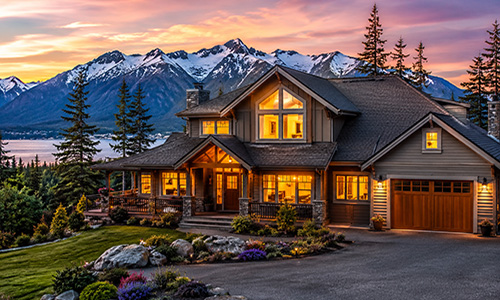
Image generated using ChatGPT – Prompt: Beautiful Alaskan Home – Rural Setting