- Free Consultation: (907) 277-3090 Tap Here to Call Us








Alaska Ice Fishing


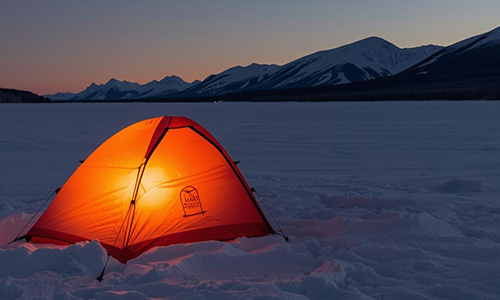
Alaska Ice fishing is popular during our severe winter months and a great way to enjoy the outdoors. While enjoyable, ice fishing can be treacherous. It carries inherent risks that are dangerous when safety rules and proper precautions are ignored. The primary dangers of Alaska Ice Fishing are falling through the ice, prolonged exposure to cold temperatures, and accidents involving equipment or vehicles. Follow proper safety and increase your safety while participating in ice fishing.
Check The Ice
Check the ice when choosing a location for Alaska Ice fishing. Ice does not freeze uniformly. One area may be a foot thick and less than an inch or two only a few feet away. Test the ice with an ice chisel, auger, or cordless drill with a long drill bit. Also, if possible, visit a local resort or bait shop close to your fishing destination and ask about ice conditions in that area.
Frostbite And Hypothermia
Extreme cold can cause significant injury and is an inherent danger while Alaska Ice fishing. Frostbite freezes skin and tissues (fingers, toes, nose, ears), causing numbness, discoloration, and hardness. Hypothermia is when your entire body core temperature drops below 95°F. This leads to shivering, confusion, and lethargy. Both frostbite and hypothermia are serious cold-related emergencies requiring immediate medical attention.
Keys To Avoiding Frostbite And Hypothermia While Alaska Ice Fishing
- Dress in Layers: Wear at least three layers: a moisture-wicking base layer (synthetic/wool), an insulating middle layer (fleece/down), and a waterproof, windproof outer layer. Layers should be loose, as tight clothing restricts circulation, increasing frostbite risk.
- Protect Extremities: Cover all exposed skin while Alaska ice fishing. Wear mittens (warmer than gloves), a hat, scarf, and face mask to protect ears, nose, and chin.
- Stay Dry: Wet clothing removes body heat rapidly. Replace wet garments immediately, especially socks and gloves.
- Limit Exposure & Monitor Wind Chill: Check weather forecasts for wind chill, which causes faster heat loss. Avoid long unprotected periods in extreme cold.
- Stay Active & Hydrated: Keep blood flowing by moving, while avoiding overexertion. Drink warm, sweet, or non-alcoholic fluids to stay hydrated and maintain energy.
- Avoid Alcohol and Caffeine: Alcohol causes the body to lose heat faster, while caffeine constricts blood vessels, increasing the risk of cold injuries.
Further safeguard against frostbite and hypothermia, by immediately seeking shelter and dry, warm clothing if you get wet or feel cold while Alaska ice fishing. Always bring a change of dry clothes along with hand and foot warmers in a waterproof bag.
Understanding The Ice In Alaska Ice Fishing
Freshly frozen ice is stronger than old ice. Ice partially thaws and wears away over time, making it less sound. Four inches of clear, newly formed ice, may support one person on foot while older, partially thawed ice as thick as a foot, may not.
Snow acts as an insulator and slows down the freezing process of ice. Ice that has a lot of snow on it has extra weight that needs to be considered. Freshly packed snow on top of ice will make ice less sturdy for additional weight.
Never Assume When Alaska Ice Fishing
Some people make the mistake of assuming ice is safe because it appears thick, but location also plays a part in strength. Ice formed over water currents or flowing rapids is dangerous. If you are near streams, bridges and culverts, prepare an exit strategy before setting up your fishing spot. It would be better to move to a location where water isn’t flowing because the under current wears on ice. When ice is formed near the shore, it can be weaker than ice farther out on the water.
Different animals affect the safety of ice as well, including schools of fish or flocks of birds. Too many fish moving under the ice brings warm water from the bottom of the lake or river and may cause holes in the ice to open up.
Avoid dangerous situations – Alaska ice fishing is an enjoyable experience for the whole family with proper planning.
Johnson Law encourages Alaskans to prioritize safety by planning, preparing, and monitoring all winter ice activities to help create a safer 2026. This includes following official guidelines and exercising caution while Alaska Ice fishing, as no ice is ever 100% safe.
Johnson Law, P.C. has been helping Alaskans for 30 years. It’s who we are. And while we hope you never need us… We’re here if you do. ~ Doug Johnson
Information Source: American Red Cross: How to Identify and Treat Hypothermia and Frostbite
Image created using Canva Magic Media- Prompt: Alaska Ice Fishing in a winter tent