- Free Consultation: (907) 277-3090 Tap Here to Call Us








Alaska Summer Driving Checklist


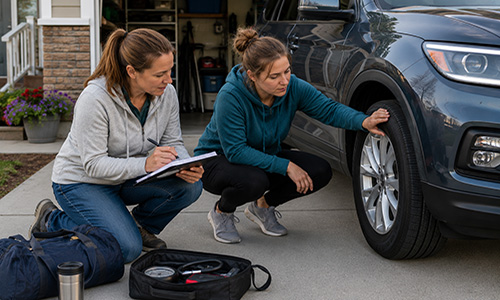
Prepare Your Vehicle for a Safe Road Trip
Alaska Summer Driving Checklist – Every summer, thousands of Alaskans and visitors travel the state’s scenic highways to fish, camp, hike, explore national parks, and enjoy the Midnight Sun. While Alaska’s breathtaking landscapes make every road trip memorable, the state’s remote highways, changing weather, and long distances between services demand more preparation than many travelers expect.
A well-maintained vehicle is one of your best defenses against breakdowns and preventable accidents. Before you leave home, take time to inspect your vehicle and prepare for the unique challenges of driving in Alaska.
How Should You Use An Alaska Summer Driving Checklist?
Quick Answer:
Before traveling, inspect your tires, brakes, fluids, battery, windshield, lights, and emergency equipment. Verify that your vehicle is mechanically sound, pack emergency supplies, and plan for long stretches without fuel, cellular service, or repair facilities. Preventive maintenance reduces the likelihood of mechanical failures that can leave drivers stranded or contribute to serious accidents.
Why An Alaska Summer Driving Checklist Matters
Many Alaska highways travel through remote areas where drivers may not see another service station for 100 miles or more. If your vehicle breaks down, help may take considerably longer to arrive than it would in more populated areas. An Alaska Summer Driving Checklist helps prevent being stranded. Preparing your vehicle before your trip helps reduce the risk of:
- Tire blowouts
- Brake failures
- Engine overheating
- Dead batteries
- Running out of fuel
- Mechanical breakdowns in isolated areas
A few hours of preparation can save you hours—or even days—of unexpected delays.
Inspect Your Tires Carefully Before A Road Trip
Your tires are the only part of your vehicle that touches the road. Before every summer road trip:
- Check tire pressure when the tires are cold.
- Inspect tread depth.
- Look for uneven wear, cracks, bulges, or embedded objects.
- Verify that your spare tire is properly inflated.
- Confirm that your jack and lug wrench are in the vehicle.
Underinflated or worn tires increase stopping distance and significantly raise the risk of a blowout, especially when carrying heavy camping gear or towing a trailer.
Check Your Braking System
Mountain roads, construction zones, wildlife crossings, and heavy traffic demand dependable brakes.
If you notice:
- Squealing or grinding
- Soft brake pedals
- Vehicle vibration during braking
- Longer stopping distances
Part of a good Alaska Summer Driving Checklist is to have your braking system inspected before beginning your trip. Never ignore warning signs that could indicate brake problems.
Replace Worn Windshield Wipers
Alaska weather can change quickly, even during the summer. Rain, road spray, mud, insects, and dust can dramatically reduce visibility.
Add replacing worn windshield wipers and refilling your windshield washer fluid to your Alaska Summer Driving Checklist before leaving home. Clean windshields improve visibility and help drivers identify wildlife, pedestrians, cyclists, and changing road conditions sooner.
Test Your Battery Before Your Road Trip
Vehicle batteries often fail without warning. Before a long road trip:
- Inspect battery terminals for corrosion.
- Ensure cables are secure.
- Test older batteries.
- Replace weak batteries before they leave you stranded.
A battery failure in a remote part of Alaska can become much more than an inconvenience.
Verify All Lights Are Working
Check every exterior light, including:
- Headlights
- Brake lights
- Tail lights
- Turn signals
- Hazard flashers
- Reverse lights
Proper lighting helps other drivers see your vehicle during rain, fog, wildfire smoke, or nighttime travel.
Check All Vehicle Fluids
Before traveling, inspect:
- Engine oil
- Coolant
- Brake fluid
- Transmission fluid
- Power steering fluid
- Windshield washer fluid
Look underneath your vehicle for signs of fluid leaks. Addressing small leaks before a trip can prevent major mechanical failures later.
Roadside Emergency Kit – Key Item On Your Alaska Summer Driving Checklist
Even the best-maintained vehicles can experience unexpected problems. Your emergency kit should include:
- Drinking water
- Non-perishable food
- First-aid supplies
- Flashlight with extra batteries
- Reflective warning triangles
- Jumper cables
- Tire repair supplies
- Portable air compressor
- Basic hand tools
- Warm clothing
- Rain gear
- Emergency blankets
- Phone charger or portable power bank
- Paper road maps
These supplies can make a significant difference if you become stranded.
Fuel Up Before You Need It
Fuel stations can be widely spaced on many Alaska highways. Don’t wait until your fuel gauge is nearly empty.
Whenever possible:
- Refill when your tank reaches half full.
- Know where the next fuel stop is located.
- Carry extra fuel only if it is stored safely in approved containers.
Running out of fuel in a remote location can quickly become dangerous.
Secure Your Cargo
Loose equipment inside a vehicle can become dangerous during sudden braking or a collision.
Secure:
- Coolers
- Camping equipment
- Fishing gear
- Luggage
- Firewood
- Recreational equipment
If you’re using a roof rack or cargo carrier, inspect all straps and mounting hardware before every travel day.
Know Your Vehicle’s Height and Weight
Drivers of motorhomes, campers, and vehicles towing trailers should know:
- Overall vehicle height
- Overall length
- Vehicle weight
- Maximum towing capacity
Understanding these measurements helps prevent collisions with low-clearance structures and reduces the risk of overloading your vehicle.
Don’t Ignore Dashboard Warning Lights
Dashboard warning lights exist for a reason. Checking them regularly is key to a good Alaska Summer Driving Checklist.
If a warning light appears before your road trip, diagnose and repair the problem before continuing your journey. Ignoring mechanical warning signs increases the risk of costly breakdowns and may contribute to preventable accidents.
What Should You Do If Your Vehicle Breaks Down?
If your vehicle becomes disabled during a road trip:
- Pull completely off the roadway if possible.
- Turn on your hazard lights.
- Stay inside the vehicle if remaining outside creates a greater danger.
- Place reflective warning devices if it is safe to do so.
- Contact roadside assistance or emergency services.
- If cellular service is unavailable, remain with your vehicle unless immediate safety requires otherwise.
Stay with your vehicle. A vehicle is generally easier for emergency responders to locate than someone walking along a remote highway.
An Alaska Summer Driving Checklist Is the First Step Toward a Safe Alaska Adventure
Alaska offers some of the most spectacular driving opportunities in North America, but safe travel begins long before you turn the key. Routine maintenance, emergency planning, and careful preparation reduce the likelihood of breakdowns and help protect everyone on the road.
Whether you’re heading to Denali, Homer, Seward, Fairbanks, Valdez, or anywhere in between, taking the time to prepare your vehicle allows you to enjoy Alaska’s extraordinary landscapes with greater confidence and peace of mind.
Planning an Alaska road trip? Learn how to prepare for travel on Alaska’s unique roads and highways and discover practical ways to help prevent serious accidents in our companion articles:
- Alaska Summer Road Trip Safety – Essential RV And Travel Tips; and
- Alaska Summer Driving Safety: 12 Essential Tips for Safer Travel on Alaska Roads
If you have been seriously injured in an Alaska accident, contact Johnson Law, P.C. We help injured Alaskans and those injured while visiting Alaska understand their rights and we fight for the compensation they deserve. Please call Johnson Law to discuss your case: (907)277-3090 or use our online contact form.
Johnson Law, P.C. has been helping injured Alaskans and those injured while visiting Alaska for 30 years. It’s who we are. And while we hope you never need us… We’re here if you do. ~ Doug Johnson
Image generated using ChatGPT – Prompt: An Alaska Summer Driving Checklist Before A Road Trip