- Free Consultation: (907) 277-3090 Tap Here to Call Us








Essential Winter Tips


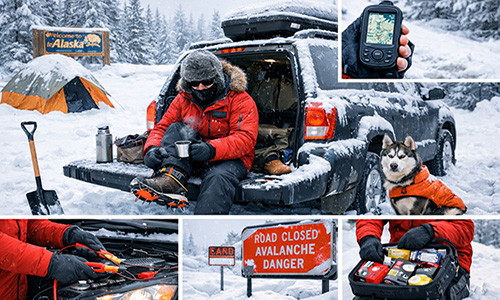
Essential Winter Tips – January is typically the coldest month of the year, especially in Alaska. In fact, most of Alaska is experiencing record-breaking snowfall and intense winter conditions this year.
Preparation is key. Cold weather safety sources recommend preparations at home and for your vehicle. By being prepared, you can stay warm, safe, and survive freezing temperatures. Thus, Johnson Law offers Alaskans some essential winter tips to help keep your families safe and warm through the coldest month of the year.
Alaska’s Temperature Ranges
On average, the temperatures in Alaska’s four largest boroughs range as follows:
Anchorage: Historically, temperatures range from 9°F to 23°F with heavy snowfall and 5 to 8 hours of daylight. While averages may be in the teens for the Anchorage areas, temperatures frequently drop below zero or rise above freezing depending on the year.
Fairbanks: The interior sees average temperatures ranging from -17°F to 5°F though extreme cold is common with temperatures dropping below -40°F and only 4 to 5 hours of daylight. The interior experiences January as an extremely cold, clear, and very dry month.
Juneau: The capital city’s average daily temperature ranges from -19°F to 27°F. Weather conditions are described as freezing cold and frequently accompanied by wind and snowy, wet weather. Juneau sees about 7 to 8 hours of daylight during January.
Mat-Su: Temperatures in Alaska’s most rapidly growing borough, range from 5°F to 25°F though temperatures can dip well below zero. Daylight ranges from roughly 5.5 to 7.5 of sunlight. January usually sees heavy snowfall and deep snow throughout the Mat-Su region.
Essential Winter Tips
- Dress in Layers – Always wear moisture-wicking base layers, insulating mid-layers (fleece or wool), and a waterproof, windproof outer shell. Remember insulated gloves, a hat, and thermal socks.
- Protect Against Frostbite and Hypothermia – Limit skin exposure, especially in subzero temperatures and watch for signs of frostbite (numbness, pale skin) and hypothermia (shivering, confusion, slurred speech).
- Keep Emergency Supplies in Your Vehicle – among the essential winter tips for driving is to carry blankets, extra clothing, food, water, a flashlight, a shovel, jumper cables, and sand or kitty litter for traction. Always keep your gas tank at least half full.
- Check Weather and Road Conditions – Before traveling, check Alaska’s Department of Transportation updates at 511AK for road closures and weather alerts. Avoid unnecessary travel during blizzards or extreme cold.
- Protect Your Home – Essential winter tips include insulating pipes to prevent freezing, keeping a backup heat source, and stocking up on essentials like food, water, and batteries are key during severe weather.
- Stay Visible and Connected – If you’re hiking or snowmobiling, tell someone your route and expected return time. Carry a GPS device or satellite communicator in remote areas.
- Be Cautious on Ice – Test ice thickness before walking or driving on frozen lakes or rivers. At least four inches of clear ice is needed for walking, and eight to twelve inches for small vehicles.
- Pets and Livestock – Provide warm shelter, unfrozen water, and extra food. Never leave pets outside for extended periods in extreme cold.
- Manage Carbon Monoxide Risks – Ensure proper ventilation when using generators or heaters. Install carbon monoxide detectors in your home.
- Stay Hydrated and Nourished – Cold weather dehydrates. Drink water regularly and eat high-energy foods to maintain body heat.
Keep Kids Warm and Safe in Freezing Weather
- Protect Extremities – In addition essential winter tips such as dressing in layers, insulated gloves, warm socks, and waterproof boots, always cover heads and ears with a snug hat or balaclava. Use scarves or neck warmers to protect the face and neck.
- Keep Kids Dry – Wet clothing quickly leads to heat loss. Change out of damp clothes immediately, especially socks and gloves.
- Limit Outdoor Time – Take frequent breaks indoors to warm up. Watch for signs of frostbite (pale, numb skin) or hypothermia (shivering, confusion, fatigue).
- Keep Them Moving – Encourage light activity to maintain body heat, but avoid sweating too much.
- Warm Nutrition – Offer warm drinks like soup or cocoa and high-energy snacks to help maintain body temperature.
- Safety First – Avoid playing near icy water or roads. Make sure kids are visible with reflective gear.
Johnson Law encourages Alaskans to prioritize safety by planning, preparing, and monitoring all winter activities to help create a safer 2026. This includes adopting essential winter tips during the coldest months of the year. We hope that the Essential Winter Tips in this article help you and yours stay warmer and safer during these cold Alaska winter days and nights.
Johnson Law, P.C. has been helping Alaskans for 30 years. It’s who we are. And while we hope you never need us… We’re here if you do. ~ Doug Johnson
Information Source: Alaska Climate Research Center
Image created using ChatGPT – Prompt: Individual practicing essential winter tips for Alaska