- Free Consultation: (907) 277-3090 Tap Here to Call Us






Maritime Law Explained


Key Rights, Claims, and Protections for Injured Seamen
Maritime law – also known as admiralty law – governs legal disputes and protections for workers injured at sea. Whether aboard a commercial fishing vessel, cargo ship, or offshore platform, maritime workers operate in one of the most dangerous industries in the world. For this reason, understanding the key doctrines is essential for protecting your rights and securing compensation after an injury.
What Is Maritime Law?
Maritime law is a specialized body of federal rules that applies to navigable waters. Specifically, it regulates shipping, commerce, and the rights of seamen. Unlike standard workers’ compensation systems, maritime law provides unique remedies that often allow injured workers to pursue claims directly against employers.
The Three Core Maritime Law Claims
1. Jones Act Negligence
The Jones Act allows injured seamen to sue their employer when negligence plays any role in causing an injury.
Key elements:
- Employer negligence (even minimal)
- Injury occurred in the course of employment
- Worker qualifies as a “seaman”
Examples of negligence:
- Unsafe working conditions
- Inadequate training
- Faulty equipment
Why it matters:
This law gives maritime workers rights similar to personal injury plaintiffs, including compensation for pain and suffering.
2. Unseaworthiness Claims
For example, maritime law dictates that a vessel owner has an absolute duty to ensure a vessel is reasonably fit for its intended purpose.
A vessel may be unseaworthy if:
- Equipment is defective
- The crew is untrained or understaffed
- Safety procedures are not followed
Important distinction:
Unlike negligence, unseaworthiness does not require proving fault under maritime law – only that the vessel or its conditions were unsafe.
3. Maintenance and Cure
This is a no-fault obligation under maritime law requiring employers to cover basic living and medical expenses for injured seamen.
Includes:
- Maintenance: Daily living expenses (housing, food)
- Cure: Medical treatment until maximum recovery
Key advantage:
Under maritime law, injured workers are entitled to these benefits regardless of who caused the injury.
Additional Maritime Claims
Wrongful Death at Sea
When a maritime worker dies due to negligence or unsafe conditions, surviving family members may pursue compensation under federal maritime statutes.
Longshore and Harbor Workers’ Compensation Act (LHWCA)
LHWCA applies particularly to dockworkers, shipbuilders, and other maritime workers who are not considered seamen.
Common Causes of Injury Claims
- Slippery decks and falls
- Heavy machinery accidents
- Equipment failure
- Harsh weather conditions
- Fatigue and long shifts
Why Maritime Law Is Different
Maritime law is complex and highly specialized. Furthermore, it differs from land-based injury law in several critical ways:
- Federal jurisdiction often applies
- Different standards of proof (e.g., “featherweight” negligence under the Jones Act)
- Unique remedies like maintenance and cure
- Strict definitions of who qualifies as a seaman
What To Do After a Maritime Injury
- Report the injury immediately
- Seek medical attention
- Document the scene and conditions
- Avoid giving recorded statements without legal advice
- Consult a maritime attorney
Final Thoughts
Maritime law offers powerful protections – but navigating these claims requires a clear understanding of how they intersect. In fact, Jones Act negligence, unseaworthiness, and maintenance and cure often work together to provide a full path to recovery. Moreover, commercial fishing is one of the most dangerous industries in the country, these benefits can make the difference between stability and hardship after an injury.
If you’ve been injured while working at sea, acting quickly can preserve your rights and strengthen your claim.
Call Johnson Law to discuss your Alaska Maritime Law claims: (907)277-3090 or use our online contact form and schedule a free consultation.
Johnson Law has been helping Alaskans for nearly 30 years. It’s who we are.
And while we hope you never need us… We’re here if you do. ~ Doug Johnson
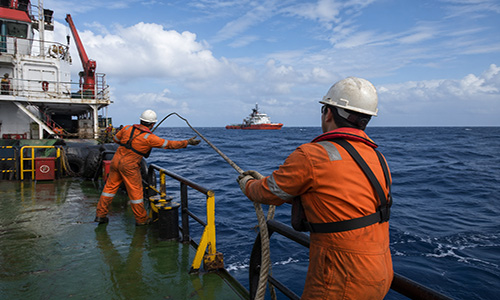
Image generated using ChatGPT – Prompt: Maritime Workers At Sea