- Free Consultation: (907) 277-3090 Tap Here to Call Us






Sledding Safety


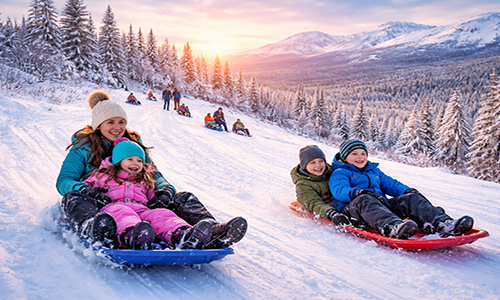
Sledding Safety – In Alaska, sledding isn’t just an activity – it’s part of winter culture. Sledding is especially great in Alaska because the state naturally creates some of the best conditions in the world for winter fun. Alaska’s landscape is full of rolling hills, mountains, riverbanks, and wide-open spaces. Unlike flatter regions, many Alaskan communities naturally have long, steep slopes perfect for exciting sled runs.
In addition, Alaska has one of the longest winter seasons in the United States. Throughout Interior Alaska, snow can stick around from October through April. Sledding is great fun. At the same time, it can also be dangerous for both skilled and amateur participants. The key is sledding safety to avoid injuries.
Sledding Injuries
Sledding can lead to injuries when participants fall off sleds or are hit by another person’s sled. It is common to get bruises, cuts or broken bones. When sledding, hold onto handles tightly and do not let go until your sled comes to a stop. Do not take on hills or slides too big for your size and experience. Parents should monitor which hills and slides children use to ensure they are sledding safely.
Check Your Surroundings To Increase Sledding Safety
When sledding, increase safety by checking the area for rocks, buried tree limbs or other objects that may cause an injury to occur. Look around to make sure that you know where fences, light poles and trees are located to avoid colliding into stationary objects.
Before sledding down a hill or slide, check the path to make sure you will not hit anyone standing or walking nearby. If you are walking in a sledding area, sledding safety is your responsibility too. Stay alert and out of the sled paths. Watch small children and do not allow them to run into sled paths.
Dress Accordingly
Dressing warmly is necessary and can extend your sledding time as well as increasing safety. Dress in layers. Gloves, hats and jackets will ensure that you do not get too cold. Wear waterproof gear when possible to ensure you do not get too cold after being outside for an extended period. Helmets are a good idea for sledding and protect from head injuries in case of collisions. Goggles can also be handy to avoid snow or other items flying into eyes and causing vision problems.
Sledding Safety Techniques
It is best to go down a hill or slide with your feet first. Sliding downhill on your stomach makes it difficult to stop. You can stop sleds by using your feet but never stop on an ice slide as your legs can catch the slide, causing injuries.
Ensure you and your children do not misuse sleds. Use sleds designed for one person with only one rider at a time. Do not pull sleds at high speeds with bicycles, snow machines, ATVs, or other vehicles. Throw away broken sleds and replace them instead of continuing to use them.
Sledding is fun for people of all ages but can be dangerous when not taken seriously. Practice safety when sledding and never assume that others are looking out for your safety.
If you or a family member is injured while sledding due to another person’s negligence, you may need to hold that person responsible. Johnson Law has been helping Alaskans for 30 years. It’s who we are. Call Johnson Law at (907)277-3090 or use our Contact Form to discuss your Alaska accident injury case. We are here to serve you.
And while we hope you never need us… We’re here if you do. ~ Doug Johnson
Image created using ChatGPT – Prompt: People enjoying sledding in Alaska