- Free Consultation: (907) 277-3090 Tap Here to Call Us








Spring Break Child Safety


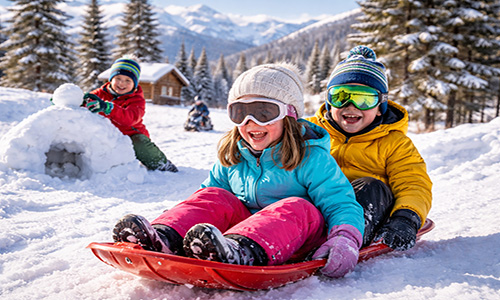
Spring Break Child Safety – Spring break in Alaska looks different than it does in many other states. In communities like Fairbanks and Anchorage, families still deal with icy driveways, cold temperatures, and unpredictable weather – even in March.
When school-age children (ages 5 to12) spend more time at home during Spring Break, child safety is tested and risk of injury increases. In other words, without structured school routines, kids play longer, explore more, and sometimes take risks they wouldn’t normally take. This article provides Alaska-specific safety tips to augment your Spring Break Child Safety routine.
Spring Break Child Safety Importance
Spring Break Child Safety in Alaska requires extra attention to both indoor and outdoor hazards. Even as daylight increases, icy walkways, melting snow, and slick decks can cause serious slip-and-fall injuries, so clear entrances and supervise outdoor play. Inside the home, continue to monitor heating sources like wood stoves, pellet stoves, and space heaters, keeping children at least three feet away and testing smoke alarms regularly. Store medications, cleaning supplies, and snowmachine fuel securely out of reach, and review basic safety rules such as not opening doors to strangers and knowing how to call 911. With proactive supervision and simple safety measures, families can reduce risks and help ensure spring break is both fun and injury-free.
Unintentional Injuries
Unintentional injuries – such as falls, drug overdoses, and motor vehicle crashes – are a leading cause of death in the United States. Proven prevention strategies can significantly reduce these injuries, especially when safety measures are targeted toward groups at higher risk for specific types of harm.
According to the Centers for Disease Control and Prevention, unintentional injuries are a leading cause of harm among children in the United States.
In Alaska, unique Spring Break Child Safety risks add to that concern, including:
- Icy sidewalks and driveways
- Snow and ice falling from roofs
- Extended outdoor play in freezing temperatures
- Space heaters and supplemental heating use
- Snowmachines and winter recreational equipment
When school is out, supervision patterns change – and preventable injuries can happen quickly.
Prevent Slip and Fall Injuries
Falls remain one of the most common causes of injury for school-age children. During spring break, many Alaska neighborhoods remain icy putting pressure on parents to increase Spring Break Child Safety through maintenance.
Reduce Fall Risks:
- Shovel snow and apply sand or ice melt daily.
- Clear entryways and walkways completely.
- Watch for roof snow and ice buildup.
- Encourage boots with good traction.
- Supervise younger children playing on snowbanks.
Outdoor Winter Recreation Safety And Spring Break Child Safety
School-age children often spend spring break outside – sledding, riding snowmachines, or building snow forts.
Safety Tips:
- Require helmets for sledding, skiing, and snowmachine riding.
- Never allow children to operate snowmachines unsupervised.
- Keep kids away from plowed snow piles near roadways.
- Teach children to watch for vehicles when playing near streets.
Supervision is critical for Spring Break Child Safety, especially when children use winter recreational equipment.
Prioritizing spring break safety in Alaska is essential because unpredictable weather, icy conditions, and continued winter hazards can quickly turn everyday activities into preventable injuries.
Johnson Law has been helping Alaskans for nearly 30 years. It’s who we are. Please call Johnson Law to discuss your case: (907)277-3090 or use our online contact form.
And while we hope you never need us… We’re here if you do. ~ Doug Johnson
Image created using ChatGPT – Prompt: School-age children enjoying spring break in Alaska