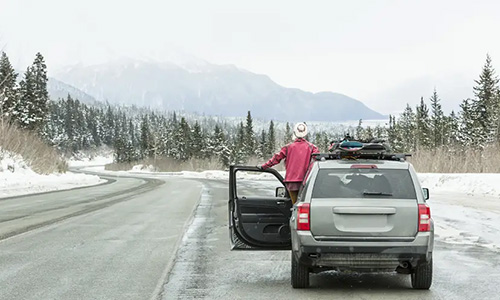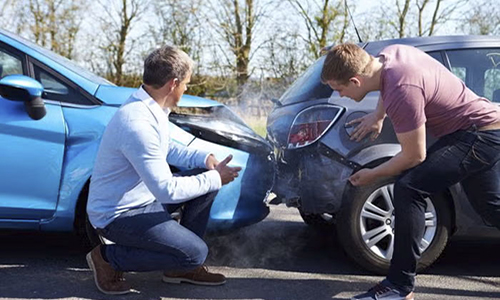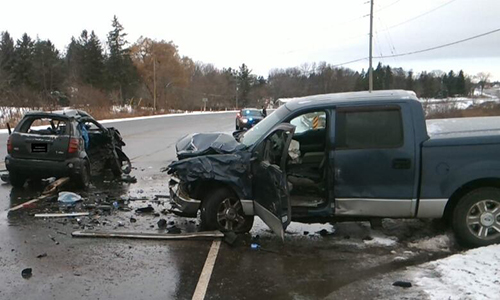






Ice fog or freezing fog add more dangers to winter driving. – Alaskan temperatures are dropping again. Ice fog develops when temperatures are low and humidity is high it is commonly seen late at night or early in the morning. Ice fog is dangerous to drive in, even for drivers with experience. The best way…
Continue reading ›Articles Posted in #AlaskaPersonalInjuryLawyer
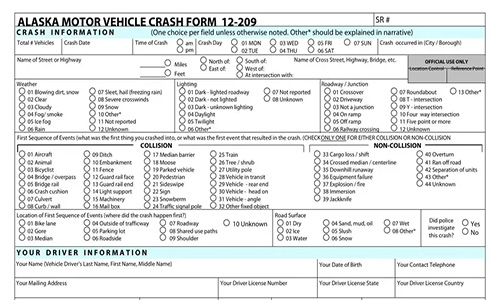
Car crash passengers: A Car Crash is traumatic. As a passenger in a wreck you likely witnessed the horrible event from start to finish. Further, it seems what happens next is an unending blur of flashing lights, emergency response, and answering questions. When the driver unconscious or seriously injured, it is even more difficult. After…
Continue reading ›Ice and snow buildup are part of the long Alaskan winter and will accumulate near walkways, on buildings, on houses, and on vehicles. Snow and ice accumulation is a major part of the Alaskan winter. As ice and snow continue to buildup throughout the winter, regular removal at your home is important to the safety…
Continue reading ›Snowmachine Safety: As wintertime progresses, a lot of Alaskans will be taking to the snow on a snowmachine. Remember they are as dangerous as they are fun. Reduce accidents and injuries by starting your snowmachine safely. Be careful, be intelligent and have fun. Snowmachine Safety – Starting Your Snowmachine First, before starting your snowmachine, make…
Continue reading ›Ice and snow driving safety tips: winter weather can cause extremely dangerous road conditions. During frigid months, it is important to prepare yourself – and your vehicle – for any situation you may encounter. Whether it is ensuring that your vehicle has the proper tires for rough conditions or just slowing down in general, the…
Continue reading ›Vehicle safety during Alaska’s cold winter months critical. It is well known that Alaska winters are cold. In Alaska, we plan ahead for the cold weather by winterizing vehicles to make sure cars handle the harsh conditions. Focusing on vehicle safety is crucial for Alaska’s cold winter climate. Before traveling, check your vehicle and increase…
Continue reading ›Heating your home safely. January is typically the coldest month. It is critical to stay warm at home. Homes throughout Alaska are heated differently. Many homes have fuel tanks both above ground and buried underground. Other options for heating your home include pellet or wood stoves, fireplaces, and gas stoves. Maintaining your home’s heat source…
Continue reading ›Keep kids warm and safe. Below freezing and negative temperatures are common winter occurrences across Alaska. If your family will be outdoors, plan ahead to keep kids warm and safe. Reduce the risk of hypothermia, frostbite, and accidents during cold weather months. Make A Plan To Keep Kids Warm and Safe Make a plan of where…
Continue reading ›January is typically the coldest month of the year. This month, Johnson Law offers a series of information pieces on coping with the coldest months of the year. Protect yourself and your family or friends from the cold this winter. Cold temperatures can injure exposed skin, damage extremities, or lower the temperature of the body…
Continue reading ›Outdoor winter walking hazards created by a fresh dusting of snow and below-freezing temperatures create greater risks for slip and fall injuries. Use caution when walking on sidewalks, through parking areas, and using outdoor stairways. Stay safe in the winter outdoors whether at home, work, or while outdoors enjoying all Alaska winters have to offer. Outdoor Winter…
Continue reading ›