- Free Consultation: (907) 277-3090 Tap Here to Call Us








Winter Auto Safety


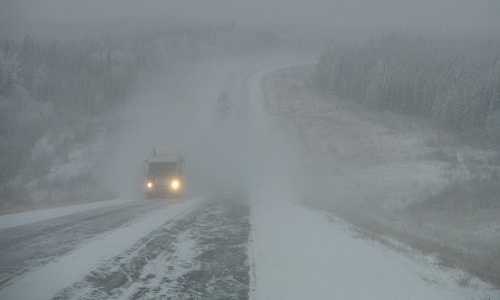
Winter Auto Safety – Alaska’s winter is already here. Auto safety through winter vehicle maintenance is a good idea. Extreme temperature changes can affect your car, so it’s important to make sure your car is in working order for winter driving. Stay safer on the road during the winter months with good winter auto safety habits. From basic tasks to those a mechanic should handle, here are a few auto safety tips to address as we face winter’s deep freeze.
Car Batteries And Winter Auto Safety
Your vehicle’s battery is especially hard hit when the temperatures drop. Cold temperatures reduce its cranking power. In fact, at 0° F, a battery has only about half the cranking power it has at 80° F. To check a conventional battery, remove the plastic caps on the top and check the fluid level. If the fluid is low, add distilled water. On maintenance-free batteries, check that the window at the top of the battery indicates a fully charged state. If it’s more than five years old and shows signs of weakness, replace the battery with a top-rated model.
You can have the battery professionally tested at a service station, auto parts store, or repair shop. A tired battery may just need to be charged. But if it’s defective or worn out, it’s best to replace it.
Wiper Blades
Wiper blades need replacing more often than you might think. Consumer Reports tests have found that even the best-performing wiper blades start to lose their effectiveness in as little as six months. Thus, winter auto safety means testing your wiper blades effectiveness. Streaks on the glass are signs that wiper blades need replaced. Consumer Reports recommends replacing wiper blades as often as twice per year. Most wiper blades are easy to install. In fact, some stores will replace wiper blades free.
Windshields and Lights
If you can’t see out the windows, you’re a danger to yourself and everyone on the road. If your lights are covered in ice and snow, other drivers can’t see you. Never rely on wiper blades to remove ice from the windshield. Instead, use an ice scraper on frosty mornings. If you park outside, place the wipers in the raised position when it’s going to snow overnight to keep them from freezing to the windshield. Winter auto safety requires clearing snow and ice from lights BEFORE driving.
Winter Auto Safety Kit
Carry a winter auto safety survival kit, including the following items:
- Blankets or Sleeping Bags
- Flashlight
- Extra Batteries
- First-Aid Kit
- Medication
- High-Calorie, Non-Perishable Food
- Drinking Water
- Change of Winter Clothing
- Gloves, Hats, Socks
- Sack of Sand or Cat Litter
- Shovel
- Windshield Scraper and Brush
- Tool Kit
- Knife
- Tow Rope
- Booster Cables
- Tire Chains or Traction Mat
- Water Container
- Candles or Portable Campfire
- Water-Proof Matches
- Plastic Bags, Tissues and Paper Towels (for sanitary purposes) increase winter auto safety measures.
To sum up, winter vehicle prep is the best way to help avoid potential disasters later. Planning auto safety before getting behind the wheel ensures a safer winter driving season. Alaska’s winter is here. A little planning toward winter auto safety goes a long way to ensuring better living.
Johnson Law has been helping Alaskans injured in winter driving accidents for 30 years. It’s who we are. And while we hope you never need us… We’re here if you do. ~ Doug Johnson
Sources: Alaska Department of Transportation; Alaska.org; Consumer Reports
Image Source: Explore North: How to Drive to Alaska In The Winter