- Free Consultation: (907) 277-3090 Tap Here to Call Us








Winter Ice


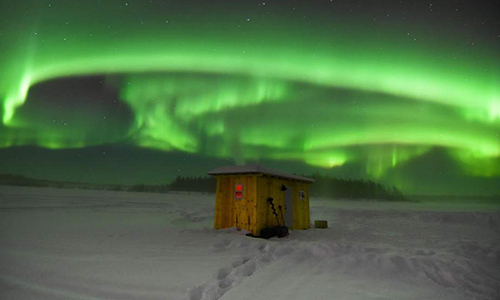
Winter Ice – Alaska’s kids are out of school on their holiday break. We’re enjoying winter activities across Alaska. At the same time, it’s important to be aware of potential dangers.
Alaska’s heavy snowfalls and cold temperatures cause winter ice build up. Keep in mind that Alaskan winter activities are often accompanied by inherent hazards. When playing, fishing, or traveling over ice, it’s very important to consider possible risks. Be aware of the different thickness levels and types of ice in your area.
Understanding Ice Thickness
The strength associated with winter ice thickness varies between river, pond, and lake ice conditions. For example, river ice is 15% weaker than lake ice at the same thickness. Be wary of ice covered in slush. This could indicate the ice isn’t frozen completely through. Be sure the ice is solid, clear, blue, or black before walking out to test the thickness level.
According to the chart provided by Bethel Search and Rescue’s Ice Thickness Safety Information – ice must be at least 4 inches thick for a group of people to walk single file. Additionally, 7.5 to 10 inches of winter ice can support the weight of common vehicles.
Alaska winter ice fishing safety precautions are extremely important. Always check the ice levels surrounding the area you choose to fish. Test ice yourself using an ice chisel, auger or cordless drill with a long drill bit. Be cautious of cracks and holes in the ice and avoid going near them.
Be aware that ice doesn’t usually freeze uniformly, so while one area can be a foot thick, another spot nearby could be only a few inches thick. Keep in mind that new winter ice is generally stronger than old ice because older ice has likely warmed and cooled repeatedly and could have thin or weak areas throughout.
Keep Kids Safe On Winter Ice
Safe winter fun starts with planning and preparation. Be aware of weather conditions and review winter ice conditions before allowing children to skate or fish. Teach them how to safely walk and play on ice by distributing their weight appropriately and staying aware of their surroundings.
Help kids stay safe and warm. They should dress appropriately for winter weather activities. Children should wear layers to stay warm and dry. Appropriate protective gear should also be worn when playing in the snow or on winter ice. A helmet and mouth guard helps prevent injury from falls.
Adult supervision is very important when children are ice skating, playing hockey, or sledding, to help prevent injuries. Never leave children unattended when playing on winter ice.
Johnson Law encourages Alaskans to prioritize safety by planning, preparing, and monitoring all winter ice activities to help create a safer 2026. This includes following official guidelines and exercising caution, as no ice is ever 100% safe.
Johnson Law, P.C. has been helping Alaskans for 30 years. It’s who we are. And while we hope you never need us… We’re here if you do. ~ Doug Johnson
Image Source: Alaska.org: Rod’s Alaska Guide Service