- Free Consultation: (907) 277-3090 Tap Here to Call Us








Winter Tires


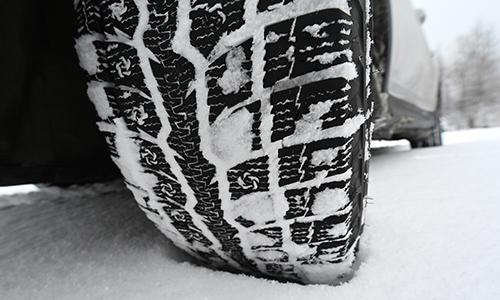
Winter Tires and Alaska – Preparing your vehicle for driving on Alaskan roadways during the winter is very important. There are a variety of winter tires that help with traction in cold, slippery road conditions. However, there are options besides classic all-season tires. Choosing the correct tires and accessories for winter driving increases safety for you and others while driving on Alaskan roads during colder months.
All Season Tires
Many people choose all-season tires and fasten chains on to increase traction for their vehicle. Tire chains improve grip. The combination works well because the chains dig into the ice and snow. Snow chains also help prevent skidding. It’s important to choose the right size and type of chains for your vehicle. Chains are easy to remove from tires when the roads are clear of snow and ice.
Different kinds of tires serve different purposes on the road. In Alaska, it is important to understand the difference between all-season tires and winter snow tires. Choosing the correct winter tires makes all the difference on Alaskan roads.
Snow Tires – Tread Rubber Compound
Tires are made of different types of rubber compound serving different purposes. Rubber compound retains inflation pressure, provides protection, and provides grip and traction. When comparing all-season tires to winter tires, the biggest difference is tread rubber compound.
Key Features:
- Specially designed for cold temperatures (below 45°F or seven °C).
- Unique rubber compounds remain flexible in freezing conditions.
- Tread patterns with deep grooves and sipes for superior traction on snow and ice.
- Enhanced braking and handling on icy roads.
Tread is made of rubber that provides grip and traction on roads. Tread rubber needs to be flexible to grip the road during winter months. Different rubber compounds hardens at different temperatures, reducing flexibility. Tread rubber compound in all-season tires hardens around 42 degrees. However, in winter snow tires, the rubber stays flexible below 42 degrees. During warmer temperatures, all-season tires stay hard, resisting wear and tear while winter tires stay soft and wear out faster. Thus the reason it is important to change tires seasonally.
Tread Pattern
In addition to tread rubber, the pattern of tread plays a role in providing traction. Winter tires are made with a tread pattern that pushes away snow and ice. All-season tires are made with a tread pattern that grips roads and pushes away water. Different road conditions and seasons call for different tread patterns.
Tire Pressure
As temperatures fluctuate, tire pressure also fluctuates. It is important to check winter tire pressure regularly. Tire pressure can be ok in the morning in the garage and then change in the afternoon after leaving your vehicle outside in the elements all day. Maintaining proper tire pressure ensures tires provide good traction when driving and extends the life of tires. It is a good practice to keep a tire gage in your vehicle.
Studded Winter Tires
Studded tires are ideal and commonly used in Alaska. Metal studs imbedded in the rubber of the winter tire create a studded tire. These metal studs dig into the ice. The studs also dig into pavement which can cause road damage.
Change All Tires
When updating tires for winter months, change all four tires on your vehicle. Switching only two tires may save money but this decision is actually more inefficient and much more dangerous.
It is important to understand that different seasons in Alaska calls for different kinds of tires. To sum up, winter tires help avoid potential disasters. Alaska’s winter is here. Planning goes a long way to ensuring better living through the cold, harsh months.
Johnson Law has been helping Alaskans injured in winter driving accidents for 30 years. It’s who we are. And while we hope you never need us… We’re here if you do. ~ Doug Johnson
Image Source: Anchorage Daily News