- Free Consultation: (907) 277-3090 Tap Here to Call Us





Alaska Homeowners Insurance Claims


Alaska Homeowners Insurance Claims – Discover Ten surprising homeowners insurance claims that may be covered in Alaska, from frozen pipes and smoke damage to theft and guest injuries.
Ten Surprising Things Homeowners Insurance May Cover in Alaska
Many Alaska homeowners know that homeowners insurance can protect their house from certain major losses. But a homeowners policy may provide coverage in situations that are less obvious.
Depending on the policy and circumstances, coverage may extend beyond damage to the house itself. It can include certain personal property losses, temporary living expenses, and liability claims involving other people.
Here are 10 surprising things Homeowners Insurance In Alaska may cover.
Important Note: Alaska Homeowners Insurance Claims coverage depends on the specific policy, cause of loss, exclusions, limits, deductibles, and endorsements. The examples below are not a guarantee that a particular claim will be covered.
1. Damage From a Frozen or Burst Pipe
Alaska’s winter temperatures can create serious plumbing problems. When a pipe freezes and bursts, the resulting water can damage walls, floors, ceilings, furniture, and other property.
Depending on the circumstances, homeowners insurance may cover sudden and accidental water damage resulting from a burst pipe.
However, coverage can depend on whether the homeowner took reasonable steps to maintain heat and protect the plumbing.
For example, an insurer may investigate whether the property was adequately heated, whether the homeowner knew about a plumbing problem, and whether reasonable precautions were taken during an extended absence.
The important distinction is between a covered sudden loss and damage caused by neglect or an ongoing maintenance problem.
2. Temporary Housing After a Covered Loss
A major covered loss can leave an Alaska family without a place to live.
If covered damage makes the home uninhabitable, loss of use or additional living expense coverage may help pay certain necessary additional expenses while the home is being repaired.
Depending on the policy, this can include expenses associated with temporary lodging and other increased living costs.
This coverage can be particularly valuable after a serious fire, major water loss, or other covered event.
What homeowners should know
Additional living expense coverage generally is not intended to pay every expense you incur after leaving your home. The policy determines which additional expenses qualify, how much coverage is available, and how long it can continue.
Keep receipts and other documentation for expenses related to the displacement.
3. Personal Belongings Damaged Away From Home
Your homeowners insurance may not stop protecting your belongings when they leave your house.
Depending on the policy, certain personal property may be covered when it is lost, stolen, or damaged away from the residence.
That can be useful when belongings are taken on a trip, stored temporarily elsewhere, or otherwise located away from the home.
However, special limits may apply to certain categories of property. Valuable jewelry, collectibles, firearms, electronics, and other high-value belongings may have specific coverage limitations.
If you own particularly valuable property, review your policy to determine whether additional coverage is appropriate.
4. An Alaska Homeowners Insurance Claim May Cover Guest Injuries
Homeowners insurance can provide protection when someone is injured in connection with your property.
Personal liability coverage may apply when a homeowner is legally responsible for another person’s injury.
For example, a visitor could suffer an injury because of a dangerous condition on the property. If the homeowner is legally liable, the policy may provide coverage for covered damages and potentially certain legal defense costs.
The facts matter. Simply because someone is injured on your property does not automatically mean you are liable or that the insurance company must pay the claim.
5. Medical Payments for Certain Injuries
Some homeowners policies contain medical payments coverage, which is different from personal liability coverage.
This coverage may pay certain medical expenses for a person who is injured on the insured property, even when the homeowner is not legally responsible for the accident.
For example, a guest could suffer a minor injury while visiting your home.
Medical payments coverage typically has a relatively modest limit and does not replace health insurance or provide unlimited compensation.
Still, it can provide an important source of coverage for certain injuries that do not necessarily involve a liability claim.
6. Damage From a Falling Tree
Alaska’s trees can become hazardous when exposed to heavy snow, ice, wind, or other severe weather. A tree that falls onto a home, garage, or other insured structure can cause substantial damage.
Depending on the cause of the fall and the policy, homeowners insurance may cover the resulting property damage. Some policies may also provide limited coverage for removing the fallen tree.
But a fallen tree does not automatically mean there is a covered claim.
The insurer may consider:
- Why the tree fell
- What property was damaged
- Whether the tree was dead or diseased
- Whether negligence or lack of maintenance contributed to the loss
- The policy’s exclusions and coverage provisions
7. Smoke Damage Even When Your Home Does Not Burn
Fire can damage a home without flames actually reaching every part of the property.
Smoke and soot can spread throughout a residence, affecting walls, ceilings, furniture, clothing, electronics, and other belongings.
Depending on the circumstances, smoke damage resulting from a covered event may be covered even when portions of the home were not directly burned.
Smoke damage can also be more extensive than it initially appears. Professional cleaning and restoration may be necessary to address odors, residue, and contamination.
Homeowners should thoroughly document smoke-related damage rather than assuming that items that look intact are undamaged.
8. Certain Theft Losses May Be Covered Through An Alaska Homeowners Insurance Claim
Homeowners insurance may cover certain personal property stolen from the home or, in some circumstances, elsewhere.
That can include ordinary household belongings such as clothing, furniture, electronics, and other covered property.
However, homeowners should pay particular attention to special limits for valuable property.
A policy may limit coverage for categories such as:
- Jewelry
- Cash
- Collectibles
- Certain electronics
- Firearms
- Other high-value possessions
If you own valuable items, keeping receipts, photographs, appraisals, and other documentation can make it easier to establish ownership and value after a loss.
Additional coverage may also be available for certain valuable possessions.
9. Certain Damage Caused by Falling Objects
Homeowners may not realize that insurance can sometimes cover damage caused when an object falls onto an insured structure. The source of the object and the circumstances surrounding the event can affect coverage.
For example, damage caused by a falling tree may be treated differently from damage caused by another type of falling object.
As with any homeowners insurance claim, the question is not simply whether something fell. The insurer must determine whether the resulting damage falls within the policy’s coverage provisions.
10. Certain Liability Claims Away From Your Home
Homeowners insurance may provide liability protection beyond the physical boundaries of your property.
Depending on the policy, personal liability coverage can apply to certain covered incidents that occur away from the insured residence.
That means a homeowner should not automatically assume that a liability claim is unrelated to homeowners insurance simply because the incident occurred somewhere else.
Whether coverage applies depends on the circumstances and the policy’s liability provisions.
What About Alaska’s Unique Risks?
Alaska homeowners face several risks that deserve special attention, including extreme cold, heavy snow and ice, wildfires, earthquakes, and flooding.
A homeowners policy may cover some of these risks, while it may exclude or limit others or require separate coverage. That distinction is important.
Homeowners insurance does not necessarily cover every type of damage to an Alaska home.
For example, homeowners should carefully review their policies for coverage involving earthquakes, flooding, sewer or drain backups, and other risks that may require separate insurance or endorsements.
What Should You Do If You Think You Have a Covered Alaska Homeowners Insurance Claims?
If your home or property suffers significant damage, take reasonable steps to protect the property from additional harm and document what happened.
Consider these steps:
- Make sure everyone is safe.
- Prevent additional damage when reasonably possible.
- Photograph and video the damage.
- Keep damaged property when practical and safe.
- Keep receipts for emergency repairs and related expenses.
- Notify your insurance company promptly.
- Create an inventory of damaged or destroyed belongings.
- Review the insurer’s coverage determination carefully.
Avoid making major repairs or disposing of damaged property before documenting the condition whenever doing so is reasonably possible.
What If the Insurance Company Denies the Claim?
An insurance company’s decision is based on its interpretation of the policy and the circumstances of the loss. But a claim denial is not necessarily the end of the matter.
If an insurer denies your claim, carefully review the denial letter and the policy provisions the insurer relied upon.
You may want to seek legal advice if the insurance company:
- Denies a claim you believe is covered
- Applies an exclusion you believe does not apply
- Delays investigating or paying the claim
- Undervalues the damage
- Disputes the cause of the loss
- Fails to account for covered property
- Offers a settlement that does not adequately address the covered loss
Insurance disputes can involve detailed policy language and factual questions about how the damage occurred.
Frequently Asked Questions About Alaska Homeowners Insurance Claims Coverage
Does homeowners insurance cover frozen pipes in Alaska?
It may cover damage caused by a frozen or burst pipe when the policy covers the loss. Coverage can depend on the circumstances, including whether the homeowner took reasonable precautions to prevent freezing.
Does homeowners insurance cover a hotel if my house is damaged?
A policy may provide loss of use or additional living expense coverage when a covered loss makes the home uninhabitable. The policy determines which expenses qualify and the applicable limits.
Does homeowners insurance cover belongings outside the home?
Certain personal property may be covered away from the residence, depending on the policy. Special limits and exclusions can apply.
Does homeowners insurance cover injuries to visitors?
Potentially. Personal liability coverage may apply when the homeowner is legally responsible for a covered injury. Medical payments coverage may also provide limited coverage for certain guest injuries.
Does homeowners insurance cover a tree that falls on my house?
It may. Coverage depends on the cause of the fall, the resulting damage, and the policy’s provisions and exclusions.
Does homeowners insurance cover smoke damage?
Homeowners insurance may cover smoke damage from a covered event even when flames did not directly damage the home.
Can homeowners insurance cover a loss that happens away from my house?
Potentially. Personal property and personal liability coverage can extend beyond the physical residence in certain circumstances, subject to the policy’s terms.
Alaska Homeowners Insurance Claims
Homeowners insurance can provide broader protection than many Alaska homeowners realize. A policy may potentially respond to unexpected losses involving frozen pipes, temporary housing, personal belongings, guest injuries, falling trees, smoke, theft, and other circumstances.
However, coverage depends on the policy and the facts of the loss. Exclusions, deductibles, coverage limits, endorsements, and policy conditions all affect the outcome.
If your Alaska homeowners insurance company has denied a claim, delayed payment, disputed coverage, or offered less than you believe your covered loss is worth, consider having the claim and policy reviewed by an attorney experienced in insurance disputes.
Johnson Law, P.C. represents Alaskans in insurance coverage disputes and other legal matters. Our office can review your insurance policy, the circumstances of your loss, and the insurer’s position to help determine what options may be available.
Disclaimer: This week’s article series provides general educational information about Homeowners Insurance In Alaska, Alaska Homeowners Insurance Claims and Alaska Homeowners Insurance Exclusions. However, it is not legal advice and does not create an attorney-client relationship. Because every case is unique, consult a qualified Alaska personal injury attorney about your specific circumstances.
Johnson Law, P.C. has been helping injured Alaskans and those injured while visiting Alaska for 30 years. It’s who we are. And while we hope you never need us… We’re here if you do. ~ Doug Johnson
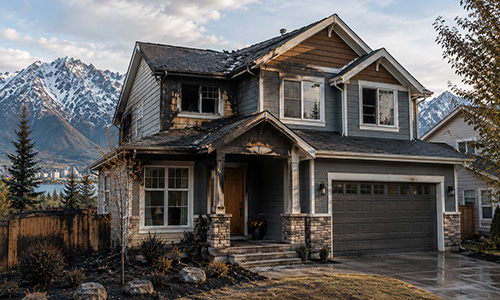
Image generated and modified using ChatGPT – Prompt: A beautiful Alaskan home damaged by fire