- Free Consultation: (907) 277-3090 Tap Here to Call Us







Alaska Water Safety For Kids


Understanding Water Hazards and Emergency Preparedness
Alaska Water Safety For Kids – While prevention is essential, understanding Alaska’s specific water hazards and knowing how to respond in an emergency is equally important.
From rivers and lakes to coastal waters, each environment presents unique risks that families must be prepared to handle.
What Should Parents Know About Alaska Water Safety For Kids, Water Hazards and Emergencies?
Quick Answer:
Essentially, parents should understand the dangers of rivers, lakes, and coastal waters, prepare for boating safety, recognize emergency situations, and learn CPR. Being prepared can save a child’s life when seconds matter.
River Safety Requires Extra Attention
Alaska’s rivers can be powerful and unpredictable.
Consequently, hazards include:
- Fast-moving currents
- Slippery rocks
- Deep holes
- Floating debris
- Changing water levels
To improve Alaska water safety, kids should never play near rivers without close supervision.
Lakes and Coastal Waters Present Unique Risks
Lakes may appear calm but can hide dangers such as:
- Sudden drop-offs
- Cold deeper water
- Boat traffic
In addition, coastal areas add additional risks:
- Strong tides
- Surf conditions
- Rapid weather changes
Always check conditions before heading out to increase Alaska water safety for kids and the whole family..
Safe Boating Begins Before Leaving the Dock
Preparation is critical for boating safety.
Before every trip:
- Ensure life jackets are worn
- Check weather forecasts
- Bring emergency communication tools
- Pack warm clothing
- Share your travel plan
Safe boating habits reduce risk significantly.
Learn CPR Before an Emergency Happens
In Alaska, emergency response times can be longer due to remote locations.
Therefore, knowing CPR allows caregivers to act immediately in a crisis.
In fact, parents and caregivers should consider certification and regular training updates. Good emergency training benefits Alaska water safety for kids and everyone on the water.
Recognizing a Water Emergency
Signs of distress may include:
- Silent struggling
- Head low in the water
- Gasping or hyperventilating
- Lack of movement
Recognizing these signs early can prevent tragedy.
Emergency Preparedness Tips
Be ready before an incident occurs:
- Keep a phone or radio nearby
- Know your location for emergency responders
- Identify the nearest medical facility
- Have a plan for quick evacuation
Preparation improves response time and outcomes.
Alaska Water Safety For Kids – Frequently Asked Questions
Is Alaska water dangerous year-round?
Yes. Cold temperatures and unpredictable conditions make Alaska waters hazardous throughout the year.
What should I do if my child falls into cold water?
Call for help immediately, remove the child from the water, and seek medical attention – even if they seem fine.
Why is CPR important in water emergencies?
CPR can restore breathing and circulation while waiting for emergency responders.
Is Alaska’s water dangerous even during the summer?
Yes. Many Alaska rivers, lakes, and coastal waters remain cold enough throughout the summer to cause cold-water shock and increase the risk of drowning.
What’s the most important water safety rule?
Never leave children unattended near water – even for a moment. Constant, attentive supervision remains the best way to prevent drowning.
Alaska Water Safety For Kids – Preparedness Saves Lives
Understanding Alaska’s water hazards and preparing for emergencies gives families the tools they need to respond effectively.
For prevention strategies and everyday safety tips, read our companion article: Alaska Water Safety: Essential Tips to Prevent Drowning And Protect Your Family.
Together, these guides provide a complete approach to keeping children – and everyone – safer around Alaska’s waterways.
For guidance on what what steps to take when the unthinkable happens, read our companion article: Children And Water Accidents In Alaska.
If you have been seriously injured in an Alaska accident, contact Johnson Law, P.C. We help injured Alaskans and those injured while visiting Alaska understand their rights and we fight for the compensation they deserve. Please call Johnson Law to discuss your case: (907)277-3090 or use our online contact form.
Johnson Law, P.C. has been helping injured Alaskans and those injured while visiting Alaska for 30 years. It’s who we are. And while we hope you never need us… We’re here if you do. ~ Doug Johnson
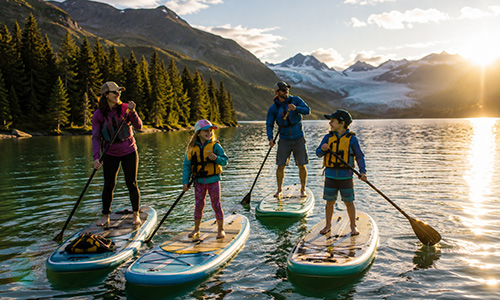
Image generated using ChatGPT – Prompt: Family enjoying a water activity in Alaska