- Free Consultation: (907) 277-3090 Tap Here to Call Us







Alaska Water Safety


Essential Tips to Prevent Drowning And Protect Your Family
Alaska Water Safety – Alaska’s rivers, lakes, streams, and coastlines offer incredible opportunities for families to explore the outdoors. Whether you’re fishing on the Kenai River, boating in Prince William Sound, or enjoying a local lake, water is a central part of life in Alaska.
However, Alaska’s waterways present unique dangers that many families underestimate. For example. cold temperatures, swift currents, and unpredictable conditions can quickly turn a fun outing into a serious emergency.
The good news is that most childhood drowning incidents are preventable with the right knowledge and preparation.
How Can Parents Keep Children Safe Around Water in Alaska?
Quick Answer:
Parents can prevent drowning by actively supervising children, requiring properly fitted life jackets, teaching basic water safety skills, and understanding Alaska’s cold-water risks. Furthermore, preparation and awareness are key to keeping children safe.
Why Alaska Water Safety Requires Extra Caution
Alaska’s waters are colder and more unpredictable than many other places.
For instance, common hazards include:
- Extremely cold water temperatures
- Swift river currents
- Hidden underwater obstacles
- Sudden drop-offs
- Changing tides and weather
- Remote locations with delayed emergency response
However, understanding these risks is the first step in increasing Alaska Water Safety and protecting your family.
Drowning Can Happen Quickly and Silently
Drowning is often quiet and fast.
Children may not be able to call for help because they are struggling to breathe. A child can slip underwater in less than a minute, even when adults are nearby.
This is why constant supervision is critical.
Make Active Supervision Your First Line of Defense
Always assign one adult to actively watch children near water for greater Alaska Water Safety.
Avoid distractions such as:
- Phones
- Conversations
- Fishing or preparing gear
Additionally, young children should always stay within arm’s reach of an adult.
Swimming Lessons Build Skills – Not Immunity
Swimming lessons are valuable, but they do not eliminate risk.
Even strong swimmers can struggle with:
- Cold-water shock
- Strong currents
- Fatigue or panic
Swimming ability should always be combined with supervision and safety gear.
Life Jackets Save Lives
Properly fitted life jackets remain one of the most effective drowning prevention tools Children should wear U.S. Coast Guard-approved life jackets whenever they are near or on the water.
Life jackets are essential for:
- Boating
- Fishing near water
- Kayaking or rafting
- Playing near rivers
Conversely, inflatable toys are not safety devices, reduce Alaska Water Safety, and should never replace a life jacket.
Alaska’s Cold Water Can Become Dangerous in Seconds
Cold-water shock can occur immediately upon entering cold water.
Symptoms include:
- Gasping
- Rapid breathing
- Panic
- Loss of coordination
Even experienced swimmers can become incapacitated quickly. Always treat Alaska water as dangerous, regardless of the weather.
Teach Children Alaska Water Safety Early
Children remember Alaska Water Safety lessons that are practiced consistently.
Teach your children to:
- Always ask permission before going near water.
- Never swim alone.
- Respect warning signs and barriers.
- Avoid running on docks.
- Stay away from fast-moving water.
- Wear their life jacket without being reminded.
Good habits developed early often last a lifetime.
Family Water Safety Checklist
Before every outing, ask yourself:
- Is an adult assigned to actively supervise the children?
- Does every child have a properly fitted U.S. Coast Guard-approved life jacket?
- Have you checked the weather and water conditions?
- Is an emergency procedures plan in place?
- Do you have a phone or emergency communication device?
- Do you know the fastest route to emergency medical care?
If you cannot answer “yes” to every question, then your family’s safety is at risk, take time to prepare before entering the water.
Prevention Is the Best Protection
With proper supervision, preparation, and awareness, families can safely enjoy Alaska’s waterways. For more Alaska Water Safety guidance and education see Alaska’s Kids Don’t Float Education Program.
For guidance on what to do if an accident occurs, read our companion article: Alaska Water Safety for Kids: Understanding Water Hazards and Emergency Preparedness.
Alaska Water Safety – Frequently Asked Questions
Should my child wear a life jacket even if they know how to swim?
Yes. Always. Swimming ability does not protect against danger such as cold-water shock, fatigue, unexpected falls, or strong currents.
Can children drown in shallow water?
Yes. Drowning can occur in only a few inches of water if a child cannot keep their airway above the surface.
Are inflatable arm floaties or pool toys safe alternatives to life jackets?
No. Using toys as life preservers is poor Alaska Water Safety. Inflatable toys are designed for recreation, not lifesaving. Specifically, children should wear a properly fitted U.S. Coast Guard-approved life jacket whenever appropriate.
Prevention Is the Best Protection
Every year, Alaska families create lasting memories on the water. As a result of thoughtful preparation, proper supervision, and respect for Alaska’s unique waterways, those memories can remain safe and enjoyable.
In conclusion, Alaska Water Safety includes teaching children to respect water, wear life jackets, and recognize hazards helps build lifelong safety habits. Parents who prepare before heading outdoors significantly reduce the risk of preventable tragedies.
For guidance on what what steps to take when the unthinkable happens, read our companion article: Children And Water Accidents In Alaska.
Finally – and we can’t say this enough – with proper supervision, preparation, and awareness, families can safely enjoy Alaska’s waterways. For guidance on what to do if an accident occurs, read our companion article: Alaska Water Safety for Kids: Understanding Water Hazards and Emergency Preparedness.
Together, these guides provide a complete approach to keeping children – and everyone – safer around Alaska’s waterways.
If you have been seriously injured in an Alaska accident, contact Johnson Law, P.C. We help injured Alaskans and those injured while visiting Alaska understand their rights and we fight for the compensation they deserve. Please call Johnson Law to discuss your case: (907)277-3090 or use our online contact form.
Johnson Law, P.C. has been helping injured Alaskans and those injured while visiting Alaska for 30 years. It’s who we are. And while we hope you never need us… We’re here if you do. ~ Doug Johnson
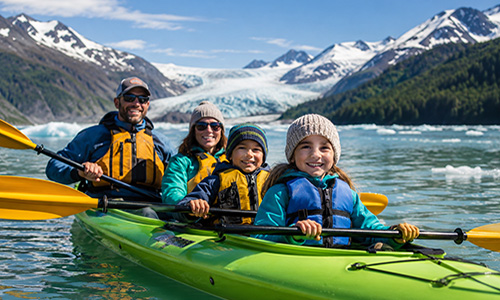
Image generated using ChatGPT – Prompt: Family Enjoying Alaska Water Activity Safely