- Free Consultation: (907) 277-3090 Tap Here to Call Us








Alaska After School Safety


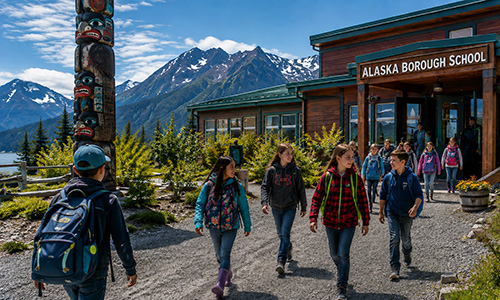
As Alaska students return for the 2026-27 school year, safety extends beyond the classroom. Our Alaska Back-to-School Safety Series covers the most important risks families and drivers should understand – from school buses, school zones, and increased traffic to children walking or biking to school and staying safe during after-school activities. Start with our Alaska Back-to-School Safety Tips, then learn more safety tips for Alaska Kids Walking to School; this article, Alaska After School Safety; Alaska School Bus Stop Safety; and Alaska School Drop-Off Safety.
The school day does not end when the final bell rings.
During the 2026–27 school year, Alaska children will spend time on playgrounds, athletic fields, school grounds, and at after-school activities. They may also travel to parks, community centers, sporting events, and other activities with friends or family.
These activities are an important part of growing up. They also create safety concerns that parents, students, schools, and other adults should understand.
Parents Tips For Alaska After School Safety
Parents can help keep children safe by knowing where they are going, who is supervising them, and how they will get there and back.
Before the school year gets busy, talk with your child about:
- Where they are going after school
- Who will supervise them
- How they will get home
- Where they should go if plans change
- Who they can contact in an emergency
- What to do if they feel unsafe
Younger children should have clear instructions about where they may go and which adults they can trust for help.
Playgrounds And Alaska After School Safety
Playgrounds can provide children with valuable opportunities for exercise and social interaction. They can also cause injuries when equipment is damaged, improperly maintained, or used incorrectly.
Parents and caregivers should encourage children to:
- Use playground equipment appropriately.
- Take turns and give other children adequate space.
- Follow posted rules.
- Stay aware of other children nearby.
- Tell an adult when equipment appears damaged or unsafe.
- Avoid playing on equipment that is wet, icy, or otherwise hazardous.
Adults should also pay attention to the condition of the playground itself. Broken equipment, sharp edges, unstable surfaces, exposed hardware, and other hazards can increase the risk of injury.
Alaska Weather Can Change Quickly
Alaska’s weather can create additional safety considerations for children participating in outdoor activities.
Rain can make surfaces slippery. Snow and ice can create fall hazards. Strong winds can affect outdoor activities and equipment. Cold temperatures can also create risks when children spend extended periods outside.
Before children participate in outdoor activities, parents and caregivers should consider:
- Current weather conditions
- Ground and surface conditions
- Appropriate clothing
- Visibility
- Whether equipment is safe to use
- Whether an activity should be moved indoors
School and recreational activities should account for Alaska’s changing weather and seasonal conditions.
Sports Safety for Alaska Students
School sports provide exercise, teamwork, and opportunities for children to develop new skills. They also come with the possibility of injuries.
Parents should make sure children understand the importance of:
- Following coaches’ instructions
- Using appropriate protective equipment
- Warming up before strenuous activity
- Staying hydrated
- Reporting injuries to an adult
- Taking breaks when needed
- Following the rules of the sport
Children should not feel pressured to continue playing after an injury.
Coaches and other adults supervising youth activities should also understand their responsibilities for maintaining reasonably safe playing conditions and responding appropriately when a child is injured.
Alaska After School Drop-Off and Pick-Up Safety
The area around a school can become particularly congested before and after classes.
Vehicles, buses, pedestrians, bicycles, and children may all be moving through the same area at the same time.
Parents picking up or dropping off children should:
- Follow the school’s traffic pattern.
- Use designated drop-off and pickup areas.
- Follow staff instructions.
- Avoid stopping where children must cross traffic unexpectedly.
- Watch carefully for pedestrians.
- Keep children in the vehicle until it is safe to exit.
- Avoid distractions while driving.
Do not make an unsafe maneuver simply to save a few seconds.
A few extra minutes is a small price to pay for a safer school pickup.
What About School Parking Lots?
School parking lots can present risks that children may not recognize.
Drivers backing out of parking spaces may have limited visibility. Children may walk between parked vehicles or move unexpectedly through traffic.
Parents should teach children to:
- Stay with an adult when appropriate.
- Walk in designated pedestrian areas.
- Never walk behind a vehicle that is backing up.
- Watch for vehicles entering and leaving parking spaces.
- Stay alert rather than looking at a phone or other device.
Drivers should move slowly through school parking lots and be prepared for children to enter their path.
Activities, Transportation And Alaska After School Safety
Many Alaska students participate in activities after the school day ends. Depending on the child’s age and the activity, transportation may involve a parent, school bus, another adult, or walking or bicycling.
Parents should know:
- Who is responsible for transporting their child
- Where the child will be picked up
- Whether the child will be supervised while waiting
- What happens if transportation is delayed
- Who the child should contact if plans change
Children should have a backup plan for unexpected changes.
What Should Children Do If They Are Left Waiting?
Plans do not always go perfectly.
A parent may be delayed. A ride may arrive late. An activity may end earlier than expected.
Increase Alaska after school safety – ensure children should know what to do if they are unexpectedly left waiting.
Establish a safe place where your child can wait and identify trusted adults they can approach for assistance.
Make sure your child has a way to contact you or another designated adult when appropriate.
Most importantly, children should know that they should never leave with someone they do not know simply because that person offers them a ride.
Watch for Hazards on School Property
Parents and students should report obvious hazards to school staff when they see them.
Potential hazards may include:
- Broken playground equipment
- Damaged sidewalks
- Uneven walking surfaces
- Accumulated ice or snow
- Poor lighting
- Unsafe stairs or handrails
- Damaged athletic equipment
- Other conditions that could cause a child to fall or become injured
Reporting a hazard gives the school an opportunity to investigate and address it, increasing Alaska before, during, and after school safety.
What Should You Do If Your Child Is Injured at School?
If a child is injured during school or an after-school activity, make sure the child receives appropriate medical attention.
Parents should also document what happened while the details are fresh.
Depending on the circumstances, useful information may include:
- Where the injury occurred
- What the child was doing
- Who was supervising
- Whether other people witnessed the incident
- What the school or activity provider reported
- Photographs of the location or condition that contributed to the injury
- Medical records and other documentation related to the injury
Not every injury means someone was legally responsible. However, documenting the circumstances can be important when a serious injury occurs.
Alaska After School Safety Extends Beyond the Classroom
Back-to-school safety is about more than getting children safely through the school doors.
During the 2026–27 school year, Alaska students will spend time walking to activities, playing on school grounds, participating in sports, using playgrounds, and traveling home after the school day.
Parents, schools, coaches, caregivers, and other adults can all help reduce preventable risks.
Know where your children are, talk with them about safety, and pay attention to the conditions around them.
A little preparation can help Alaska families enjoy a safer school year – from the first bell to the final activity.
Disclaimer: This article series provides general educational information about Alaska School Safety for the 2026-27 School Year. However, it is not legal advice and does not create an attorney-client relationship. Because every case is unique, consult a qualified Alaska personal injury attorney about your specific circumstances.
Johnson Law, P.C. has been helping injured Alaskans and those injured while visiting Alaska for 30 years. It’s who we are. And while we hope you never need us… We’re here if you do. ~ Doug Johnson
Alaska School Information Source: Alaska Department of Education & Early Development
Image modified using ChatGPT – Prompt: Children leaving an Alaska Borough School