- Free Consultation: (907) 277-3090 Tap Here to Call Us







Alaska Fall Vehicle Maintenance


Alaska Fall Vehicle Maintenance: Prepare your vehicle for Alaska winter with fall maintenance tips for tires, batteries, brakes, fluids, wipers, heaters, and emergency supplies.
Alaska Fall Vehicle Maintenance: Prepare Your Car for an Alaska Winter
Autumn is the time to prepare your vehicle for Alaska’s winter driving conditions. Cold temperatures, snow, ice, reduced daylight, and changing road conditions can put additional demands on your vehicle. Regular maintenance can help you identify problems before winter weather arrives.
If this will be your first Alaska winter, start preparing your vehicle now. Do not wait for the first major snowfall or prolonged freeze to discover that your battery is weak, your heater does not work, or your tires need replacement.
The Alaska Department of Transportation and Public Facilities recommends checking your vehicle’s tires, heater and defroster, battery, lights, motor oil, antifreeze, belts, hoses, brakes, wiper blades, and windshield washer fluid before winter travel.
What Does Alaska Fall Vehicle Maintenance Include?
Before winter arrives, check these essential vehicle systems:
- Tires and tire pressure
- Battery and electrical system
- Heater and defroster
- Windshield wipers and washer fluid
- Engine oil and other fluids
- Coolant and antifreeze
- Belts and hoses
- Brakes and brake fluid
- Headlights, brake lights, and turn signals
- Windshield, mirrors, and other visibility equipment
Including a professional inspection as part of your Alaska fall vehicle maintenance can identify problems you may not notice during normal driving.
Start Your Alaska Fall Vehicle Maintenance at Home
Some winter preparation tasks require only a few minutes at home.
Test Your Heater and Defroster
Your heater does more than keep you comfortable during an Alaska winter. Your defroster also helps you maintain visibility when frost, snow, or condensation covers your windshield.
Turn on your heater and defroster before winter weather arrives. Make sure they produce adequate heat and clear the windshield effectively.
If your vehicle takes an unusually long time to warm up or the heater does not work properly, have a qualified mechanic inspect the system.
Inspect Your Windshield Wipers
Alaska’s summer rain, road debris, and long periods of use can wear down windshield wipers.
Replace wiper blades that:
- Streak the windshield
- Smear water across the glass
- Skip across the windshield
- Squeak excessively
- Leave areas of the windshield uncleared
Also check your windshield washer fluid. Use a winter-rated fluid that can withstand the temperatures you expect in your area.
Check Your Fluids
Cold temperatures can affect vehicle fluids and engine performance.
Check the levels of:
- Engine oil
- Coolant or antifreeze
- Windshield washer fluid
- Transmission fluid, if applicable
- Brake fluid
- Power steering fluid, if your vehicle uses it
Follow your vehicle manufacturer’s recommendations for the appropriate fluids and mixtures. If you notice a leak or repeatedly need to add fluid, have the vehicle inspected rather than simply refilling it.
Inspect Under the Hood
Open the hood and look for obvious signs of wear or damage.
Check for:
- Frayed or cracked belts
- Brittle or damaged hoses
- Corrosion around the battery
- Loose connections
- Fluid leaks
- Damaged wiring
- Other unusual signs of wear
A weak battery can become a significant problem when temperatures drop. Have your battery and charging system tested if you notice slow engine cranking, dimming lights, or other electrical problems.
Check Your Tires Before Winter Driving
Your tires provide your vehicle’s connection to the road. Proper tire condition becomes especially important when Alaska roads become snowy or icy. Maintaining safe, properly inflated tires is an essential part of preparing your vehicle for Alaska’s fall driving and a key task of Alaska fall vehicle maintenance.
Check your tires for adequate tread, damage, and proper inflation. Cold temperatures can reduce tire pressure, so check the pressure regularly and follow the vehicle manufacturer’s recommended pressure.
Consider your driving conditions when deciding whether to use winter tires, studded tires, or another appropriate tire option.
Alaska regulates when drivers can use studded tires. The permitted dates vary depending on location, and special rules apply to certain roads. Check current Alaska DMV requirements before installing or removing studded tires.
Do not wait until the first significant snowfall to schedule a tire change. Tire shops can become busy quickly when winter weather arrives.
Schedule Professional Winter Maintenance
Some autumn vehicle care requires professional equipment and experience.
Schedule recommended maintenance before winter arrives. This may include your vehicle’s 30,000-, 60,000-, or 90,000-mile service, depending on the manufacturer’s maintenance schedule.
Have a qualified mechanic inspect problems such as:
- Dashboard warning lights
- Unusual engine or transmission noises
- Steering problems
- Brake problems
- Electrical issues
- Fluid leaks
- Transmission concerns
- Engine problems
Do not ignore a problem simply because your vehicle still runs. A small problem can become a much larger one when temperatures drop and winter driving places additional demands on your vehicle.
Prepare an Alaska Winter Emergency Kit During Your Alaska Fall Vehicle Maintenance Routine
Vehicle preparation should also include preparing for the possibility of becoming stranded.
Depending on your travel plans and location, consider carrying:
- Warm blankets
- Extra winter clothing
- Gloves and a hat
- Flashlight and extra batteries
- First-aid supplies
- Jumper cables or a suitable jump-start device
- Shovel
- Traction material
- Water and food
- Basic tools
- Phone charger or backup power source
- Emergency communication equipment for remote travel
This becomes particularly important when traveling long distances or through remote parts of Alaska, where cell service, fuel, and other services may be limited.
Check Alaska Road Conditions Before You Travel
Winter vehicle preparation during Alaska fall vehicle maintenance is only part of safe winter driving.
Before a trip, check current weather and road conditions. Alaska DOT&PF provides road conditions, road cameras, and other winter travel resources through Alaska 511.
Remember that posted speed limits do not necessarily reflect safe speeds during snow, ice, or other hazardous conditions. Alaska DOT&PF advises drivers to adjust their speed to road and weather conditions and leave additional stopping distance.
On remote routes, preparation becomes even more important. Some Alaska highways receive limited or no winter maintenance, and conditions can change quickly.
Does Winterizing Your Vehicle Prevent Every Alaska Car Accident?
No. Proper vehicle maintenance can reduce the risk of mechanical problems, but it cannot prevent every crash.
Other drivers, road conditions, wildlife, weather, and unexpected hazards can all contribute to an Alaska car accident. Even a well-maintained vehicle can become involved in a collision caused by another driver’s actions.
If you are injured in an Alaska car accident, understanding your available auto insurance coverage can also matter. Liability insurance, uninsured and underinsured motorist coverage, and Medical Payments Coverage can each play different roles after a crash.
Understanding Alaska Auto Insurance Coverage After a Crash
Johnson Law’s Alaska Auto Insurance Coverage After a Crash series explains the different types of coverage that may apply after an accident. The series includes Alaska Liability Insurance After a Car Accident, Alaska Uninsured and Underinsured Motorist Coverage, and Alaska Medical Payments Coverage After a Car Accident. Together, these articles explain who may pay for injuries and losses, how coverage can apply when another driver lacks sufficient insurance, and how MedPay may help with covered medical expenses.
Prepare Your Vehicle Before Winter Arrives
Alaska fall vehicle maintenance gives Alaska drivers an opportunity to address vehicle problems before winter makes them more difficult to manage.
Check your tires. Test your heater and defroster. Replace worn wipers. Check your fluids, battery, brakes, belts, and hoses. Schedule professional maintenance when needed. Keep an emergency kit in your vehicle, and check road conditions before traveling.
A few hours of preparation now can help you avoid preventable vehicle problems when Alaska’s winter weather arrives.
Johnson Law, P.C. represents people injured in motor vehicle accidents throughout Alaska. We investigate serious crashes and help injured Alaskans understand their legal rights and options. If you are injured in a crash, it is important that you hold the negligent person responsible. Please call Johnson Law to discuss your claims: (907)277-3090 or use our online contact form.
Johnson Law has been helping Alaskans for nearly 30 years. It’s who we are. And while we hope you never need us… We’re here if you do. ~ Doug Johnson
Disclaimer: This article series provides general educational information about preparing your vehicle for a safer winter in Alaska. However, it is not legal advice and does not create an attorney-client relationship. Because every case is unique, consult a qualified Alaska personal injury attorney about your specific circumstances.
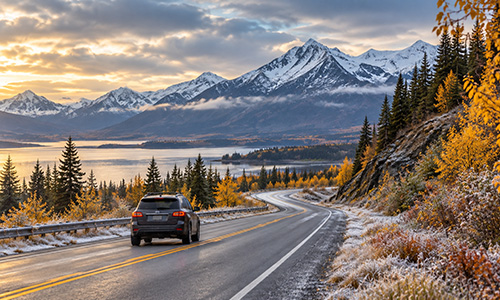
Image generated and modified using ChatGPT – Prompt: Driving Alaska’s Roads In late Fall