- Free Consultation: (907) 277-3090 Tap Here to Call Us







Children And Water Accidents In Alaska


What Every Alaska Parent Should Do After a Child’s Water Accident
Children And Water Accidents In Alaska – No parent expects a day on Alaska’s water to end in an emergency. Whether your family is boating on a lake, fishing along a river, kayaking, or simply enjoying the shoreline, a child can enter dangerous water in seconds.
The moments immediately following a water accident are critical. Acting quickly can improve your child’s chances of recovery while also preserving important information if another person’s negligence contributed to the incident.
This guide explains what every Alaska parent should know after a child experiences a water-related emergency.
What Should Parents Do After a Child Falls Into the Water?
Quick Answer:
If a child falls into the water, remove them only if it is safe to do so, call 911 immediately, begin CPR if they are not breathing normally, and seek emergency medical care even if they appear to recover. After the emergency, document what happened, preserve any evidence, and determine whether unsafe conditions, defective equipment, or another person’s negligence contributed to the accident.
Step 1: Call 911 Immediately
Never assume your child is “okay” simply because they were pulled from the water.
Call 911 immediately if your child:
- Was submerged underwater
- Lost consciousness
- Has difficulty breathing
- Is coughing excessively
- Appears confused
- Shows signs of hypothermia
- Struck their head during the incident
Emergency medical responders can begin treatment while transporting your child to the nearest appropriate medical facility.
Step 2: Begin CPR If Necessary
If your child is not breathing normally and you have CPR training, begin CPR immediately while another person calls 911.
Every minute without oxygen increases the risk of permanent brain injury.
If you are not CPR certified, emergency dispatchers can often provide lifesaving instructions over the phone until first responders arrive.
Step 3: Seek Medical Care Even If Your Child Seems Fine
Children sometimes appear to recover after a water accident but later develop serious complications.
A medical evaluation is important because healthcare providers can identify problems that may not be immediately obvious, including:
- Lung injury from inhaled water
- Hypothermia
- Head injuries
- Neck or spinal injuries
- Internal trauma
- Complications related to cold-water immersion
Prompt medical care provides the best opportunity for treatment and recovery.
Step 4: Watch for Delayed Symptoms
After returning home, continue watching your child closely.
Seek immediate medical attention if your child develops:
- Difficulty breathing
- Persistent coughing
- Chest pain
- Extreme fatigue
- Vomiting
- Confusion
- Blue lips or fingertips
- Unusual sleepiness
Never ignore symptoms that develop after a water emergency.
Step 5: Document What Happened
Once your child’s medical needs have been addressed, preserve as much information as possible.
Helpful documentation may include:
- Photographs of the accident scene
- Weather and water conditions
- Boat registration numbers
- Rental agreements
- Life jackets and safety equipment
- Witness names and contact information
- Incident reports
- Medical records
This information may become important if questions later arise about how the accident occurred.
Step 6: Report the Incident
Some water accidents require reports to law enforcement or other agencies.
Depending on where the incident occurred, reports may involve:
- Local police
- The Alaska State Troopers
- Harbor or marina authorities
- Boat rental companies
- Tour operators
- Property owners
Reporting the incident helps create an official record while the details remain fresh.
Common Causes of Serious Child Water Accidents In Alaska
Many water emergencies are unavoidable accidents. Others occur because reasonable safety precautions were not followed.
Examples include:
- Inexperienced or reckless boat operators
- Operating a boat while impaired
- Defective life jackets or safety equipment
- Unsafe docks or marinas
- Poorly maintained rental boats
- Commercial tour operator negligence
- Inadequate supervision during organized youth activities
- Dangerous property conditions near the water
Understanding why an accident happened can help prevent similar incidents in the future.
When Another Person May Be Legally Responsible
Sometimes a serious water accident results from another person’s negligence rather than simple bad luck.
Examples may include:
- A boat operator ignores navigation rules.
- A rental company provides unsafe equipment.
- A property owner fails to repair a dangerous dock.
- A summer camp does not provide adequate supervision.
- A commercial guide disregards changing weather or water conditions.
When negligence contributes to a child’s injuries, Alaska law may allow the family to seek compensation for medical expenses, rehabilitation, lost future earning capacity, pain and suffering, or other damages permitted under state law.
Every case is different, and a careful investigation is often necessary to determine what happened.
Questions to Ask After the Emergency
As your family begins recovering, consider questions such as:
- What caused the accident?
- Were appropriate safety measures in place?
- Was proper supervision provided?
- Did safety equipment function correctly?
- Were weather or water conditions ignored?
- Were boating laws followed?
The answers can help clarify whether the incident was preventable.
Children And Water Accidents In Alaska – Frequently Asked Questions
Should my child see a doctor after a near-drowning?
Yes. Every child involved in a near-drowning or cold-water immersion should receive prompt medical evaluation, even if they appear to recover.
What if the accident happened during a guided tour?
Commercial operators have responsibilities to provide reasonably safe equipment, qualified personnel, and appropriate safety procedures. An investigation may determine whether those responsibilities were met.
What if unsafe property conditions caused the accident?
Property owners may have a duty to address dangerous conditions or provide appropriate warnings, depending on the circumstances.
Should I speak with the insurance company immediately?
You should promptly report the incident to your insurer if appropriate, but before providing detailed recorded statements to another party’s insurance company, consider whether legal guidance would be beneficial – especially if your child suffered serious injuries.
Protect Your Child’s Health And Your Family’s Future After A Child’s Water Accident In Alaska
Nothing is more important than your child’s health. After a water emergency, focus first on emergency medical care and follow your healthcare provider’s recommendations throughout your child’s recovery.
Once the immediate crisis has passed, take time to understand exactly how the accident occurred. If another person’s carelessness, unsafe property, defective equipment, or negligent operation contributed to your child’s injuries, you may have important legal rights under Alaska law.
At Johnson Law, P.C., we have represented injured Alaskans and visitors for more than 30 years. Our team understands Alaska’s unique waterways, recreational activities, and the complex legal issues that can arise after serious boating and water-related accidents. If you have questions about your family’s legal options, we are here to provide experienced guidance and compassionate representation.
Learn more about Alaska’s unique water hazards and ways to help avoid serious accidents or tragedy – see our related articles: Alaska Water Safety: Essential Tips to Prevent Drowning And Protect Your Family.; and Alaska Water Safety for Kids: Understanding Water Hazards and Emergency Preparedness.
If you have been seriously injured in an Alaska accident, contact Johnson Law, P.C. We help injured Alaskans and those injured while visiting Alaska understand their rights and we fight for the compensation they deserve. Please call Johnson Law to discuss your case: (907)277-3090 or use our online contact form.
Johnson Law, P.C. has been helping injured Alaskans and those injured while visiting Alaska for 30 years. It’s who we are. And while we hope you never need us… We’re here if you do. ~ Doug Johnson
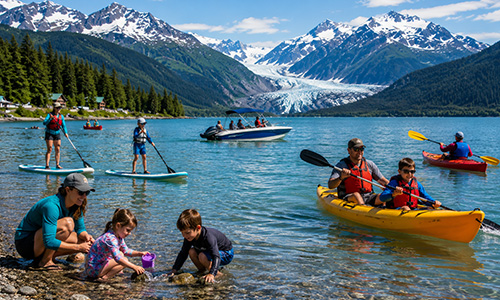
Image generated using ChatGPT – Prompt: Family water activities in Alaska