- Free Consultation: (907) 277-3090 Tap Here to Call Us





Halloween in Alaska


Halloween in Alaska – celebrate safely. Learn about holiday traditions and safety tips to prevent pedestrian accidents, falls, fires, and other injuries.
As temperatures drop and winter conditions arrive, icy sidewalks and snow-covered walkways create additional hazards for pedestrians. Learn how to prevent slips, falls, and traffic-related injuries while walking in Alaska’s darker fall and winter months, read our guide to Alaska Winter Walking Safety: Avoid Slips, Falls, and Traffic Hazards.
Halloween in Alaska: History, Traditions, and Safety Tips
Halloween is celebrated every year on October 31. Today, the holiday is best known for costumes, trick-or-treating, haunted attractions, and neighborhood celebrations. But Halloween has a much longer history rooted in ancient traditions.
For Alaska families, Halloween also brings seasonal safety concerns. Shorter daylight hours, colder temperatures, icy walkways, and increased pedestrian activity can create additional hazards for trick-or-treaters, drivers, and partygoers.
Whether you are taking children trick-or-treating, attending a Halloween party, or enjoying community festivities, understanding the holiday’s history and following a few practical Halloween Safety Tips can help everyone enjoy the celebration.
The History
Halloween traces its origins to the ancient Celtic festival of Samhain, traditionally observed at the end of October. The Celts believed this time of year marked the transition between summer and winter, when the boundary between the living and the dead became less distinct.
To ward off spirits, people lit bonfires and wore costumes. Furthermore, these traditions helped establish some of the practices associated with modern Halloween.
Samhain and Roman Traditions
By 43 AD, the Roman Empire had conquered much of the territory inhabited by the Celts. Over time, Roman and Celtic traditions began to blend.
Two Roman observances are often associated with Halloween’s development. Feralia was a festival honoring the dead, while Pomona celebrated the Roman goddess of fruit and trees. Pomona’s association with apples is often linked to the tradition of bobbing for apples.
The Influence of Christianity
In 609 AD, Pope Boniface IV dedicated the Pantheon in Rome to Christian martyrs, establishing an observance honoring them. Pope Gregory III later expanded the celebration to include all saints and moved its observance to November 1.
The date became known as All Saints’ Day. November 2 eventually became All Souls’ Day, a day dedicated to remembering the dead.
The evening before All Saints’ Day became known as All Hallows’ Eve. Over time, the name evolved into Halloween.
As Christianity spread throughout Europe, Christian observances blended with and gradually replaced some older seasonal traditions. Consequently, these traditions evolved into the holiday celebrated today.
Halloween and Halloweekend Celebrations
Halloween celebrations often extend beyond October 31. When Halloween falls on a weekday, many people schedule parties and other festivities for the preceding weekend. This informal celebration has become known as Halloweekend.
In Alaska, Halloween celebrations can look a little different depending on the community and weather. To illustrate, families may attend indoor events, visit neighborhood trick-or-treat locations, participate in school celebrations, or enjoy community festivals.
Regardless of how you celebrate, it is important to consider the potential hazards associated with Halloween activities. Beyond pedestrian safety, Halloween celebrations can involve fire hazards, slippery walkways, and other preventable injuries. Read our guide to Alaska Halloween Safety for practical ways to protect your family and guests.
Safety Tips To Prevent Common Injuries
Halloween brings increased pedestrian activity, crowded gatherings, decorations, and seasonal driving hazards. Alaska’s shorter daylight hours and changing weather conditions make safety especially important.
Here are several ways to reduce the risk of Halloween accidents and injuries.
1. Improve Pedestrian Visibility
Halloween often takes place after dark, making it harder for drivers to see children and other pedestrians, this is especially true for Halloween in Alaska.
- Choose costumes with bright colors or reflective materials.
- Add reflective tape to costumes, jackets, and trick-or-treat bags.
- Carry flashlights or wear headlamps if celebrating Halloween in Alaska outdoors.
- Use sidewalks whenever available and cross streets at designated crosswalks.
- Avoid walking between parked vehicles or crossing mid-block.
- Accompany young children and keep them within sight.
Drivers should slow down in residential neighborhoods, watch for children near parked vehicles, and remain alert when approaching intersections and crosswalks.
Halloween celebrations can bring additional risks, from impaired driving and fire hazards to slips and falls. Read our guide to Alaska Halloween Safety for practical tips to help prevent common holiday injuries.
2. Prevent Slips, Trips, and Falls
Cold temperatures, frost, snow, and ice can create dangerous walking conditions throughout Alaska. Costumes and oversized footwear can also make it harder for children to see where they are walking.
- Inspect walkways, stairs, and driveways before welcoming trick-or-treaters.
- Remove obstacles and secure loose decorations.
- Apply ice melt or sand to slippery surfaces when necessary.
- Make sure costumes fit properly and do not drag on the ground.
- Choose shoes with good traction.
- Use extra caution on unfamiliar sidewalks and driveways.
Homeowners and event organizers should take reasonable steps to address hazardous walkways and provide safe access for visitors.
3. Practice Halloween Fire Safety
Candles, jack-o’-lanterns, decorative lighting, and costumes can create fire hazards.
- Use battery-operated candles instead of open flames in pumpkins and decorations.
- Keep decorations away from heaters, fireplaces, and other heat sources.
- Check electrical cords and decorative lights for damage.
- Avoid overloading electrical outlets.
- Choose costumes made from flame-resistant materials.
- Keep exits and walkways clear of decorations.
Never leave candles or other open flames unattended.
4. Keep Children Safe While Trick-or-Treating
Children can become distracted by costumes, candy, and Halloween activities. Adult supervision and a few basic precautions can help prevent injuries.
- Accompany young children throughout the evening.
- Establish a route and a time to return home.
- Remind children to look both ways before crossing streets.
- Encourage children to stay with their group.
- Check treats before allowing children to eat them.
- Avoid entering unfamiliar homes or vehicles.
Parents should also make sure children can see clearly through costume masks and that costumes do not restrict their movement.
Children face additional pedestrian risks during Alaska’s darker fall and winter months. Learn how parents and drivers can help protect young pedestrians in our guide to Alaska Child Pedestrian Safety: Helping Kids Walk Safely in Fall and Winter.
5. Never Drink and Drive
Halloween parties and Halloweekend celebrations can involve alcohol. Driving after drinking puts everyone on the road at risk, including pedestrians, passengers, and other motorists.
If you plan to drink, arrange for a designated driver, use a rideshare service, or find another safe way home. Never get behind the wheel after consuming alcohol or other impairing substances.
Drivers should also remain especially alert during Halloween festivities. Children may unexpectedly enter roadways, and reduced visibility can make pedestrians difficult to see.
Celebrate Halloween Safely in Alaska
Halloween is a time for costumes, community celebrations, and family traditions. A little preparation can help prevent injuries and make the holiday safer for everyone.
Whether you are attending a Halloween event, taking children trick-or-treating, or welcoming visitors to your home, stay aware of changing weather conditions, improve visibility, and take precautions against common hazards.
Johnson Law represents Alaskans injured in accidents caused by someone else’s negligence. We understand the challenges injured people and their families face, and we work to hold responsible parties accountable. If you or someone you love suffers an injury because of another person’s negligence, Johnson Law is here to help. Contact our Anchorage office to discuss your situation and learn about your legal options.
At Johnson Law, we believe safety starts with awareness and preparation. We hope these tips help your family enjoy a happy, healthy, and safe Halloween.
Johnson Law has been helping Alaskans for nearly 30 years. It’s who we are. And while we hope you never need us… We’re here if you do. ~ Doug Johnson
Disclaimer: This article series provides general educational information about a safer fall and winter in Alaska. However, it is not legal advice and does not create an attorney-client relationship. Because every case is unique, consult a qualified Alaska personal injury attorney about your specific circumstances.
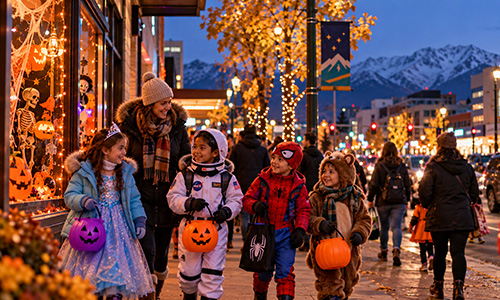
Image generated and modified using ChatGPT – Prompt: Trick-or-Treaters In Downtown Anchorage, Alaska