- Free Consultation: (907) 277-3090 Tap Here to Call Us







Alaska Child Pedestrian Safety


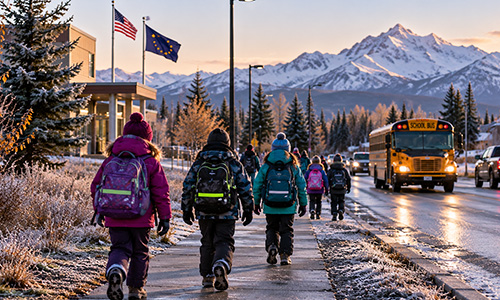
Alaska Child Pedestrian Safety – Help Alaska children walk safely in fall and winter with tips on visibility, icy sidewalks, safer routes, crosswalks, and school bus stops.
Alaska Child Pedestrian Safety: Helping Kids Walk Safely in Fall and Winter
As fall turns to winter in Alaska, walking to school, waiting for the bus, or visiting friends can become more challenging for children. Shorter days, icy sidewalks, snowbanks, and changing road conditions can make familiar routes less safe. Drivers may also have difficulty seeing children near intersections, driveways, and parked vehicles.
Parents and caregivers can help by preparing children for seasonal hazards, reviewing walking routes, and reinforcing safe habits before winter conditions worsen. Whether your family lives in Anchorage, Fairbanks, the Mat-Su Valley, or a rural Alaska community, a little planning can make a difference.
How Can You Help Children Walk Safely in Alaska During Fall and Winter?
To help children walk safely in Alaska during fall and winter, choose routes with sidewalks and safe crossings, provide bright or reflective clothing, teach children to watch for turning vehicles, and review the route as snow and ice accumulate. Supervise younger children and arrange another form of transportation when darkness, severe weather, or unsafe road conditions make walking too dangerous.
Children need ongoing guidance because a route that feels safe in early fall may become hazardous when snowbanks, ice, and limited daylight change the walking environment.
1. Plan Alaska Child Pedestrian Safety Before the Weather Changes
Do not wait for the first major snowfall to review pedestrian safety. Start practicing fall and winter walking habits while conditions are still manageable.
Walk your child’s usual route together. Point out crosswalks, traffic signals, driveways, bus stops, and places where vehicles may turn or emerge unexpectedly. Discuss what changes when snow covers the ground or daylight decreases.
Before your child leaves home, consider:
- Is the route clear of ice and snow?
- Are sidewalks and curb ramps accessible?
- Can drivers see pedestrians at intersections?
- Is there a safe place to walk away from moving traffic?
- Does your child have suitable footwear and visible outerwear?
- Does the weather make the route unsafe today?
Review these questions regularly. Snow removal, freezing temperatures, and changing daylight can affect the same route differently from one day to the next.
For broader school-route advice, see our article, Alaska Kids Walking to School: Safety Tips.
2. Choose Winter Clothing That Supports Visibility and Movement
Children need warm clothing in Alaska, but winter gear should also support child pedestrian safety by helping them stay visible and move safely.
Choose coats, snow pants, and boots that fit properly without making walking unnecessarily difficult. Bulky clothing should not block a child’s vision or prevent them from looking over their shoulder before crossing.
Bright or contrasting outerwear can help children stand out during the day. Reflective strips on jackets, backpacks, hats, and footwear can make them easier for drivers to see when headlights illuminate them.
For walks in low light, consider a flashlight or headlamp. Teach children how to use it without shining it directly into a driver’s eyes.
Reflective gear improves visibility, but it cannot guarantee that a driver will see a child. Safe routes, adult supervision, and careful street-crossing habits remain essential.
Read our guide to Alaska Pedestrian Safety at Night: Stay Visible for more advice on reflective gear and walking after dark.
3. Teach Children to Stop Before Crossing
Children may have difficulty judging how fast a vehicle is moving or whether a driver has enough time to stop. Snow and ice can make these judgments even harder because vehicles may need more distance to slow down.
Practice street crossings with your child and explain each step. Teach them to:
- Stop at the curb before entering the roadway.
- Look left, right, and left again for approaching traffic.
- Check for vehicles turning across the crossing.
- Follow pedestrian signals and traffic signs.
- Wait until approaching vehicles have stopped before crossing in front of them.
- Continue watching for traffic while crossing.
Remind children never to run into the street from between parked vehicles or from behind a snowbank. These obstacles can hide both pedestrians and approaching traffic, putting Alaska pedestrian child safety at risk.
An adult should accompany younger children near busy roads. As children grow older, continue reviewing their route and street-crossing skills rather than assuming they will automatically recognize every hazard.
4. Watch for Snowbanks That Block Visibility
Snowbanks can change a familiar route almost overnight. Plowed snow may block sidewalks, cover curb ramps, narrow shoulders, and obstruct views at intersections.
Teach children not to step into the roadway to get around a snowbank without first assessing the danger. They should look for a safe alternative route or return to a place where an adult can help.
Snowbanks near driveways can also hide children from drivers backing out of a property. Teach children to stop where they can see approaching vehicles and where drivers have a clear view of them.
Parents should continually assess walking routes after snowstorms and snow removal to ensure Alaska child pedestrian safety. If a child would have to walk in an active traffic lane or along a narrow shoulder beside fast-moving vehicles, consider arranging a ride or choosing another route.
For additional guidance, read Walking Along Alaska Roads Without Sidewalks: How to Stay Safe.
5. Help Children Navigate Icy Sidewalks
A sidewalk that appears clear may still have a thin layer of ice. Shaded areas, curb ramps, school entrances, parking lots, and driveways can remain slippery even after nearby snow has melted.
Make sure your child wears winter boots with suitable traction. Remind them to take shorter steps, slow down on slippery surfaces, and avoid running or making sudden turns.
Discuss places where ice commonly forms, including:
- Shaded paths and walkways.
- Slopes, stairs, and ramps.
- Crosswalks and curb ramps.
- Bus stops and school entrances.
- Areas where water drains or refreezes.
If a route becomes too slippery, help your child find a safer alternative. Do not assume a road shoulder is a safe substitute for an icy or blocked sidewalk.
For more seasonal advice, see Alaska Winter Walking Safety: Avoid Slips, Falls, and Traffic Hazards.
6. Teach Children to Watch for Vehicles Near Driveways and Parking Lots
Children often focus on reaching their destination and may overlook vehicles moving through driveways or parking lots. Drivers backing up may have limited visibility because of snow-covered windows, vehicle blind spots, or snowbanks. These obstacles threaten Alaska child pedestrian safety.
Teach children to stay alert near parked vehicles and never assume a driver has seen them. They should watch for reverse lights, moving tires, and vehicles preparing to turn.
When walking together, keep younger children close near driveways and parking lots. Hold a child’s hand when appropriate and keep them on the side away from moving vehicles whenever practical.
Remind children that a vehicle can move even when its engine is quiet or they cannot hear it clearly. They should not play, run, or wait directly behind a parked vehicle.
7. Make a Safe Plan for Walking to the School Bus
Walking to a bus stop can involve crossing streets, navigating snowbanks, or standing near moving traffic. Winter darkness and icy surfaces can make the trip more difficult.
Choose a safe place for your child to wait, well away from moving traffic. Make sure the route to the stop is clear and that your child knows where to stand while waiting.
Review these rules before winter conditions set in:
- Walk, rather than run, near the road and bus stop.
- Stay out of the roadway while waiting.
- Avoid playing on snowbanks beside traffic.
- Follow the bus driver’s instructions.
- Wait until the bus has stopped before approaching it.
- Watch carefully for traffic when boarding or leaving the bus.
Children should never assume that every driver will stop when required. They should follow established school-bus safety procedures and avoid crossing until it is safe.
Read our article on Alaska School Bus Stop Safety for more guidance.
8. Decide When Your Child Should Not Walk Alone
The best choices for Alaska child pedestrian safety depend on the child’s age, maturity, experience, route, and current conditions. A child who can manage a familiar route in daylight may need adult supervision when the sidewalks are icy or visibility is poor.
Consider walking with your child or arranging transportation when:
- The route lacks a sidewalk or safe shoulder.
- Snowbanks block views at intersections.
- Roads are icy or poorly maintained.
- Darkness or severe weather reduces visibility.
- Your child must cross a busy road.
- Construction or snow removal has changed the usual route.
If children are walking in a group, remember that a group is not automatically safer if the route has little space away from traffic. Keep children together in a safe area and avoid spreading out into the roadway.
Parents can also coordinate with schools and other families to identify safer routes, supervised walking groups, or transportation alternatives.
9. Set Good Alaska Child Pedestrian Safety Examples on Every Walk
Children learn pedestrian habits by watching adults. When you walk together, put away your phone near traffic, use safe crossing points, follow pedestrian signals, and check that vehicles have stopped before crossing.
Explain why you wait at a crossing or choose a different route when snow blocks the sidewalk. These conversations help children understand that pedestrian safety requires judgment, not just memorizing rules.
Avoid rushing children across streets or encouraging them to take shortcuts through parking lots and between vehicles. Build enough time into the morning routine so that getting to school does not become a race.
Consistent habits help children make safer choices as they become more independent.
What Should You Do if Your Child Is Injured in a Pedestrian Accident?
If a vehicle strikes your child, call 911 when emergency assistance is needed and seek prompt medical care. Do not assume an injury is minor just because symptoms are not immediately obvious.
If your child may have a serious head, neck, or back injury, avoid moving them unless there is an immediate danger. Follow the emergency dispatcher’s instructions.
When it is safe and appropriate, document what happened, obtain the driver’s and witnesses’ contact information, and keep records of medical care and related expenses.
Responsibility and insurance coverage depend on the circumstances of the collision. An injury does not automatically establish legal liability, and specific legal deadlines may apply.
For more information, read Alaska Pedestrian Accidents: What to Do After an Injury.
Help Your Alaska Child Pedestrian Build Safety Into Fall and Winter Walking Habits
Alaska’s changing seasons require families to review pedestrian safety throughout the school year. Prepare children for reduced daylight, icy sidewalks, snowbanks, and traffic hazards. Make sure they have suitable footwear and visible clothing, practice safe street crossings, and reassess walking routes as conditions change.
Most importantly, do not ask a child to walk a route that leaves them without a safe place away from moving traffic. When conditions make walking unsafe, consider a different route or another way to travel.
If your child is injured in a pedestrian collision, Johnson Law represents injured Alaskans. They will answer your questions and discuss your potential legal options. Please call Johnson Law to discuss your claims: (907)277-3090 or use our online contact form.
Johnson Law has been helping Alaskans for nearly 30 years. It’s who we are. And while we hope you never need us… We’re here if you do. ~ Doug Johnson
Disclaimer: This article series provides general educational information about preparing your vehicle for a safer fall and winter in Alaska. However, it is not legal advice and does not create an attorney-client relationship. Because every case is unique, consult a qualified Alaska personal injury attorney about your specific circumstances.
Image generated and modified using ChatGPT – Prompt: Alaska children walking to school on a cold fall morning