- Free Consultation: (907) 277-3090 Tap Here to Call Us







Alaska Winter Walking Safety


Alaska winter walking safety in ice, snow and traffic – Learn Alaska winter walking safety tips to avoid slips, falls, icy sidewalks, and traffic hazards. Stay visible and protect yourself on winter walks.
Alaska Winter Walking Safety: Ice, Snow & Traffic
Snowy and freezing rain have arrived throughout Alaska. Winter in Alaska creates unique challenges for pedestrians. Snow, ice, limited daylight, and snowbanks can make even a familiar walking route dangerous. A short trip to the store, a walk to school, or a commute to work may involve slippery sidewalks, hidden ice, and road crossings where drivers have difficulty seeing pedestrians.
Alaska Winter Walking Safety: Avoid Slips, Falls, and Traffic Hazards
Fortunately, a few precautions can help you reduce the risk of slips, falls, and pedestrian accidents during an Alaska winter. Choose safer routes, use appropriate footwear, watch for changing surface conditions, and take extra care near moving traffic.
While winter conditions increase the risk of pedestrian injuries, but hazards exist year-round. Learn more about common causes of Alaska pedestrian injuries, how these accidents happen, and steps you can take to protect yourself.
How Can You Walk Safely in Alaska During Winter?
To walk safely in Alaska during winter, wear footwear with good traction, take short and deliberate steps on slippery surfaces, use cleared sidewalks whenever possible, and cross roads only where you have a clear view of approaching traffic. Wear reflective clothing in low light, avoid walking in vehicle lanes, and allow extra time to reach your destination.
These precautions matter throughout Alaska, where snow and ice can affect sidewalks, parking lots, driveways, crosswalks, and rural roads.
1. Watch for Ice on Sidewalks and Walking Paths
Snow-covered surfaces can conceal dangerous patches of ice. Even a sidewalk that looks safe may contain black ice, packed snow, or a thin layer of freezing moisture.
Pay particular attention to:
- Shaded sidewalks: Buildings and trees can prevent ice from melting.
- Intersections and curb ramps: Snowmelt and runoff can freeze where pedestrians step into the street.
- Parking lots: Vehicle traffic can compress snow into slick surfaces.
- Building entrances: Melted snow and water often refreeze near doors.
- Slopes and stairs: Even a small incline can become hazardous when covered with ice.
Whenever possible, choose sidewalks and paths that have been cleared and treated for winter conditions for better Alaska winter walking safety. However, remember that a cleared surface can still be slippery.
If you encounter a patch of ice, slow down and avoid sudden turns or abrupt changes in direction. Do not assume that fresh snow provides secure footing; it can hide ice underneath.
2. Wear Footwear That Improves Traction
Your footwear can make a meaningful difference to Alaska winter walking safety when walking on snow and ice. Smooth-soled shoes and worn-out boots may provide little grip on winter surfaces.
For better traction:
- Wear winter footwear with slip-resistant soles designed for cold conditions.
- Consider removable traction devices made for walking on ice.
- Make sure traction devices fit securely and are appropriate for the surface.
- Remove ice and packed snow from your soles when it is safe to do so.
- Use handrails on stairs and ramps whenever available.
Traction devices can help on icy outdoor surfaces, but they may be slippery on smooth indoor floors. Remove them when appropriate, and take care when transitioning between surfaces.
3. Change How You Walk on Snow and Ice
Walking normally on a dry sidewalk may not be safe when the ground is icy. Adjust your pace and movements to reduce the chance of losing your balance.
Increase Alaska winter walking safety. Take shorter steps, keep your feet slightly apart, and place each foot deliberately. Avoid rushing, running, or making sudden turns. Keep your hands free enough to help maintain your balance rather than carrying bulky items that make it difficult to steady yourself.
When possible, use a handrail on stairs. Avoid walking while looking down at your phone, since doing so can distract you from changes in the surface ahead.
If a route becomes too slippery to navigate safely, consider using another path or waiting until conditions improve.
4. Choose Cleared Routes and Watch for Snowbanks
Snowbanks can create hazards beyond slips and falls. Plowed snow may block sidewalks, cover curb ramps, narrow pedestrian paths, or force people toward moving vehicles.
Before starting your trip, consider whether your route has a usable sidewalk or a safe pedestrian path. Whenever possible, choose streets and walkways with cleared sidewalks, accessible crossings, and good visibility.
Be especially careful when snowbanks obstruct your view at intersections. They can prevent you from seeing approaching vehicles and make it harder for drivers to see you.
Avoid stepping directly into a traffic lane to get around a snowbank. Instead, look for a safe alternative route or crossing. If a sidewalk is blocked, do not assume the roadway shoulder is wide enough to improve Alaska winter walking safety.
These conditions can be especially challenging in rural Alaska communities and in areas where sidewalks, streetlights, and snow removal are limited.
5. Cross Streets Carefully in Winter
Alaska winter walking safety includes awareness and caution. Crossing a road can be particularly dangerous when snow and ice affect both pedestrian and vehicle movement. Drivers may need more distance to stop, while snowbanks can limit their ability to see people approaching a crossing.
Follow these precautions:
- Use marked crosswalks and pedestrian signals where available.
- Stop and look for approaching vehicles before entering the roadway.
- Make sure drivers have seen you and have stopped before you step into their path.
- Watch for vehicles turning across your crossing.
- Avoid darting out from behind snowbanks, parked vehicles, or other visual obstructions.
- Never assume a driver can stop immediately on an icy road.
Even when you have the right of way, confirm that traffic has stopped before crossing. A driver may be distracted, may not see you, or may be unable to stop as quickly as expected.
Give yourself extra time to cross, and avoid taking risks to beat a traffic signal or reach the other side before a vehicle arrives.
6. Stay Visible During Alaska’s Short Winter Days
Many Alaskans walk to work, school, appointments, and stores during periods of limited daylight. Snowfall, fog, blowing snow, and glare can make pedestrians harder for drivers to see.
Help drivers recognize you by wearing bright or reflective outerwear. Reflective strips on jackets, pants, backpacks, and footwear can improve visibility when vehicle headlights illuminate them. A flashlight or headlamp can also help you see icy surfaces and make your presence more noticeable.
Whenever possible, walk along well-lit routes and cross where drivers have a clear view of the roadway. Avoid assuming that a light-colored jacket will make you visible in snowy or dim conditions.
For more advice about visibility after dark, read our related article, Alaska Pedestrian Safety at Night: Stay Visible.
7. Take Extra Care When Walking With Children
Children may have difficulty judging vehicle speed, recognizing hidden ice, or understanding how snowbanks affect visibility. Winter clothing can also limit their peripheral vision and make movement more difficult.
Parents and caregivers can help by:
- Choosing routes with cleared sidewalks and safer crossings.
- Teaching children to stop, look, and check that vehicles have stopped before crossing.
- Making reflective gear part of winter outerwear.
- Supervising younger children near roads and parking lots.
- Reminding children not to run across icy surfaces or emerge from behind snowbanks.
- Allowing extra time so no one feels pressured to hurry.
When walking with children, hold a younger child’s hand near traffic when conditions allow, and keep children on the side away from moving vehicles whenever practical.
Families can find additional advice in our article, Alaska Kids Walking to School: Safety Tips.
8. Be Careful Around Parking Lots and Driveways
Pedestrians face winter hazards in parking lots, driveways, and areas where vehicles enter or leave the road. Drivers may have limited visibility because of snow-covered windows, piled snow, or frost. They may also struggle to stop or turn on icy surfaces.
Stay alert when walking between parked vehicles. Avoid cutting behind a vehicle that may be backing up, and watch for headlights, reverse lights, and moving tires. Before crossing a driveway, check for vehicles entering or exiting.
Do not assume that a driver has seen you just because you are walking in a familiar area. Make eye contact when possible, but still confirm that the vehicle has stopped before crossing in front of it.
What Should You Do If You Slip or Fall on Ice?
Icy surfaces go hand in hand with slips and falls. If you fall, take a moment to assess your condition before trying to get up. If you suspect a serious injury, experience severe pain, or cannot get up safely, stay where you are and ask for help. Avoid moving if you think you may have injured your head, neck, or back.
If you hit your head, lose consciousness, or experience concerning symptoms, seek prompt medical attention. Some injuries may not be immediately apparent, so do not ignore worsening pain or other new symptoms.
If you can move safely, get away from traffic and other immediate hazards. If another person is injured, call for emergency assistance when needed.
When a fall results in an injury, make a record of what happened as soon as practical. If it is safe to do so, take photographs of the icy surface, snow or ice accumulation, lighting, and surrounding conditions. Note the location, date, and time, and collect contact information from witnesses.
If a fall occurs on a sidewalk, in a parking lot, or on other property, responsibility may depend on the circumstances, the condition of the property, applicable law, and whether a person or entity failed to meet a relevant duty of care. An icy surface or a fall alone does not automatically establish legal liability.
For injuries involving a vehicle, see our guide, Alaska Pedestrian Accidents: What to Do After an Injury, for information about medical care, insurance, documentation, and possible legal options.
Who May Be Responsible for an Alaska Winter Slip or Pedestrian Injury?
Responsibility for a winter injury depends on how the incident happened. A property owner, business, property manager, government entity, driver, or another party may be responsible in some circumstances. However, liability depends on the specific facts and applicable law.
For example, a slip-and-fall claim may involve questions about who controlled the property, how long a hazardous condition existed, what steps were taken to address it, and whether reasonable precautions were used. A pedestrian collision may involve questions about visibility, driver conduct, road conditions, and the actions of everyone involved.
Alaska law also includes specific rules that may affect claims against government entities, including notice requirements and other deadlines. These requirements can differ from those that apply to claims against private parties.
If you are injured and believe someone else’s conduct contributed to the incident, consider obtaining legal advice about your circumstances. An attorney can help evaluate potential responsibility, applicable deadlines, and available insurance coverage. No particular outcome is guaranteed.
Stay Safe on Alaska’s Winter Walks
Winter walking requires more attention, patience, and preparation than walking during warmer months. Watch for hidden ice, wear footwear with suitable traction, use cleared paths, and take extra care at intersections where snowbanks may obstruct your view.
Most importantly, do not rush. Allow additional time for winter travel and choose a safer route when conditions become difficult.
Even with precautions, winter falls and pedestrian collisions can happen. If you or a loved one suffers an injury, seek appropriate medical care and document the circumstances when it is safe to do so.
If you or a family member has been injured in a pedestrian accident, consider contacting Johnson Law to discuss your questions and potential options. Please call Johnson Law to discuss your claims: (907)277-3090 or use our online contact form.
Johnson Law has been helping Alaskans for nearly 30 years. It’s who we are. And while we hope you never need us… We’re here if you do. ~ Doug Johnson
Disclaimer: This article series provides general educational information about preparing your vehicle for a safer fall and winter in Alaska. However, it is not legal advice and does not create an attorney-client relationship. Because every case is unique, consult a qualified Alaska personal injury attorney about your specific circumstances.
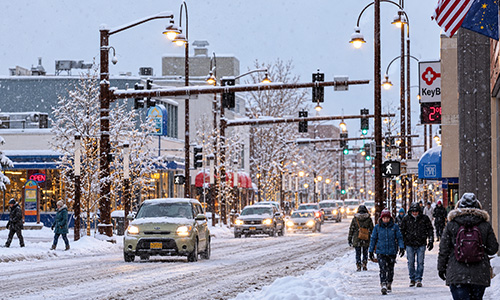
Image generated and modified using ChatGPT – Prompt: Pedestrians on a snowy day in downtown Fairbanks, Alaska.